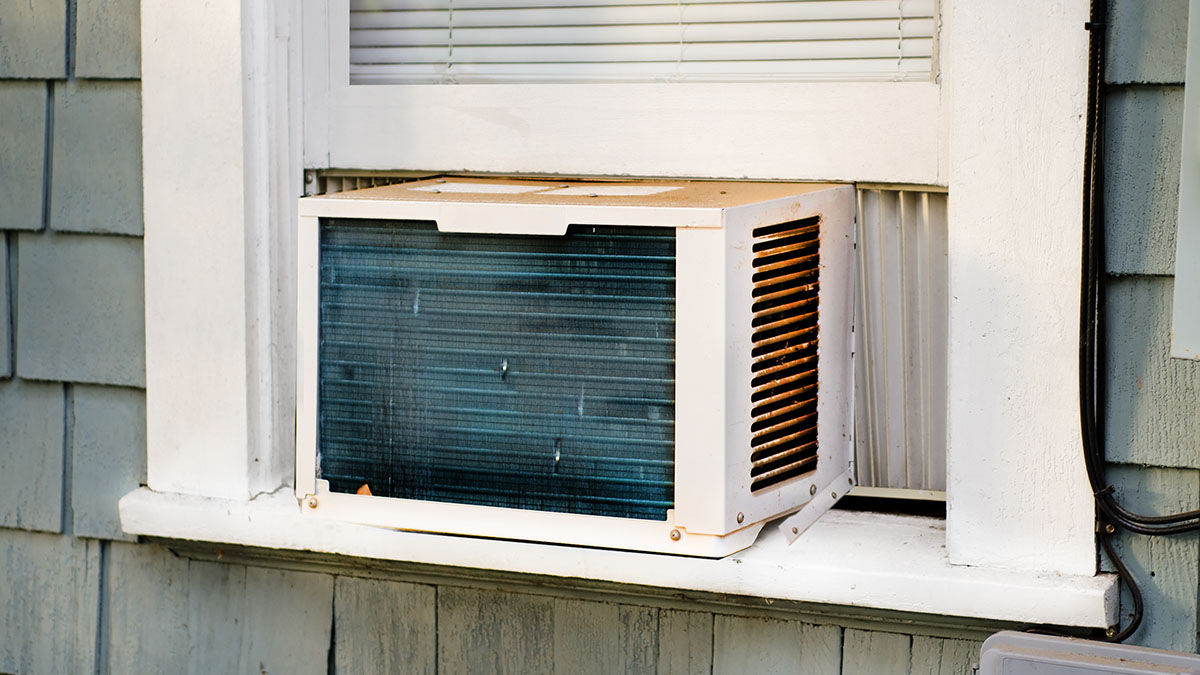
Where does junk go after it leaves your house?




Ever wondered what happens to your unwanted items after they leave your home? Whether it’s an old couch, broken appliance, piles of cardboard, or items you no longer need, junk can have a journey beyond the front door.
At 1-800-GOT-JUNK?, we’re committed to responsible junk removal by carefully sorting items and finding the best next step for everything we collect. Whenever possible, items are recycled or donated–helping keep usable materials and belongings out of the landfill. The best part? You don't have to sort a thing. Just point to what you’d like removed, and our team will give you and your items a fresh start.
So, where does your junk actually go? Let’s take a closer look.
The repurposing journey: where your junk goes after pickup
Once our team loads up your unwanted items, the process doesn’t end there. Every location has its own local process for managing materials, but the goal remains the same: find opportunities to recycle and donate before considering disposal.
1. Recycling facilities: giving materials a new life
Many of the items we collect can be broken down and repurposed into new materials. After pickup, items are sorted so recyclable materials can be processed properly and continue their journey.
Commonly recycled items include:
- Metal from appliances, furniture, and other household items
- Wood from furniture and construction materials
- Cardboard and paper products
- Electronics, such as TVs and computer monitors (where recycling programs are available)
- Mattresses and other specialty items (depending on local recycling options)
At recycling facilities and transfer stations, materials are sorted, processed, and prepared to be reused in new products. Scrap metal could become a new appliance, a cardboard box could be tomorrow’s shipping package, or your old bookshelf could be used as new building materials.
2. Donation centers: helping items find a second home
Not everything we collect has reached the end of its life. Many household items still have stories left to tell and can bring value to someone else. When possible, items are donated to local charities, nonprofits, or community organizations where they can continue their journey with a new owner.
Items that may be donated include:
- Furniture
- Clothing
- Books
- Toys
- Household goods
Giving these items a second life helps reduce waste while supporting local communities. A couch that no longer fits your style, a table you’ve outgrown, or household items you no longer need could become something useful for another family, organization, or community member.
In some areas, our teams work directly with donation partners or community groups to help make sure usable items reach people who can benefit from them.
3. Landfills: the last resort
We always aim to recycle and donate first, but sometimes items have just hit the end of the road. When an item has reached the end of its usable life and no recycling options are available, it may need to be taken to a landfill.
Modern landfills are designed to safely manage waste and reduce environmental impacts. They typically include systems to help prevent contamination, manage liquids produced during decomposition, and capture gases created as materials break down.
However, landfills take up valuable space and mean that materials can no longer be recovered–which is why keeping items out of the landfill through recycling and donation is so important.
Taking the next step toward responsible junk removal
Getting rid of unwanted items doesn’t have to mean sending everything straight to the landfill. By sorting, recycling, and donating whenever possible, we can help give old items a new purpose and reduce unnecessary waste.
The next time you clear out a closet, garage, or spare room, remember: your unwanted items may have a journey long after it leaves your driveway.
Frequently asked questions
We price based on how much space your items take up in the back of our truck, broken down into ⅛, ¼, ½, ¾ of a truckload, all the way up to a full truckload. Our trucks hold the equivalent of seven pickup trucks.
Our prices vary based on location and there is a minimum charge for our teams to remove your items, which is different in each location, based on a number of factors, including local disposal and recycling fees.
We offer single item pricing for certain items such as mattresses or TVs, sometimes this will be less than our minimum charge.
For materials that have a heavy cubic weight like dirt, concrete, and gravel, pricing is based on the total volume that the material takes up in the truck, up to a maximum of one foot in height for a full truck.
Watch us load up a truck to see how our standard pricing works!
If you need service weekly, monthly, or quarterly, we offer bulk pricing discounts. This gives you better value compared to common alternatives, such as dumpsters or less professional junk removal services.
Interested? Call our business account team at 1-888-475-3461 to discuss your needs as well as pricing options.
On the day of your appointment with us, our friendly, uniformed truck team members will give you a call or text 15-30 mins before we arrive to let you know we’re on our way.
Whether your business has a single location or multiple locations, we can create a custom junk removal solution that works for you. We can coordinate pickups at multiple locations at a local, regional, and national level. Rather than work with dozens of regional or local companies, let 1-800-GOT-JUNK? handle the jobs across all your locations.
Absolutely! We take large items all the time. As long as it can be lifted and loaded into the truck by two people, we'll be happy to take it away for you!
We work with all types of businesses and can handle any type of job - cleanouts, bulk item removal, general junk removal and even specific items like cardboard or pallets. We can take pretty much anything as long as it's not toxic or hazardous. We can remove your items from wherever they’re located, whether it’s your office, store, site or anywhere else—all you have to do is point!
Yes, we're fully licensed, bonded and insured! We have insurance covering damages to both persons and property for every single booking.
While we don't quite service the entire map, we cover almost every greater metropolitan area across the US, Canada, and Australia. To see if we’re in your neighborhood, you can start a booking by entering your zip code here.
Our customer service center is open 24/7, so we’re here whenever you need us! While operating hours may vary in our franchise locations, we offer same-day and off-hours service, including weekends.