Are refrigerator water filters recyclable?



TL;DR
Old refrigerator water filters can be recycled, but it’s not as easy as dropping them in with your household recycling. If you have other items to get rid of as well, or when the bigger issue is old refrigerator disposal, 1-800-GOT-JUNK? can help with teams that handle heavy lifting and responsible disposal.
- Most Samsung, LG, and Whirlpool refrigerator water filters should be replaced every six months, or sooner if water flow or taste changes.
- Refrigerator filters can reduce chlorine, lead, mercury, VOCs, cysts, pesticides, and other impurities.
- Recycle old filters through manufacturer take-back programs, TerraCycle, or local drop-off centers.
- If recycling is not available, wrap the filter in a biodegradable bag before trash disposal.

Yes, refrigerator water filters are recyclable, but they usually cannot be tossed into your standard curbside recycling bin. While the outer casing is often made of plastic, the internal components contain specialized filtering media that require a specific process to break down safely. At 1-800-GOT-JUNK?, we know that being "happy to help" means more than just moving heavy items; it means providing the knowledge you need to make eco-friendly choices. This guide will walk through why these filters are tricky to recycle, the best ways to handle recycling refrigerator water filters, and how to responsibly manage your appliance waste.
Can you recycle refrigerator water filters? Yes, but…
While it is true that refrigerator water filters can be recycled, the "how" is a bit more complicated than most household items. Most municipal recycling programs are not equipped to handle the complex mixture of materials found inside the filter.
A standard filter is a multi-layered tool consisting of a plastic shell, rubber gaskets, and a core filled with activated carbon or charcoal. Because the filter’s job is to trap contaminants, it eventually becomes saturated with the very things you don't want to drink. For this reason, many local facilities view them as contaminated waste. Simply throwing them in your blue bin can lead to the entire load being rejected and sent to a landfill. However, don't lose heart! Specialized manufacturer programs and mail-in services exist specifically to recycle refrigerator water filters properly.
Why does my refrigerator need a water filter?
If you’ve ever wondered what a refrigerator water filter removes, the answer is quite a lot. These filters are designed to reduce lead, chlorine, volatile organic compounds (VOCs), and other impurities that affect the taste, smell, and safety of your tap water.
Beyond just making your water taste crisp and clean, the filter protects your refrigerator’s internal plumbing. Over time, sediment and minerals can build up in the water lines and ice maker, leading to clogs or expensive repairs. Keeping a fresh filter in place ensures your appliance runs efficiently while providing your family with high-quality hydration.
How often should I replace the water filter in my refrigerator?
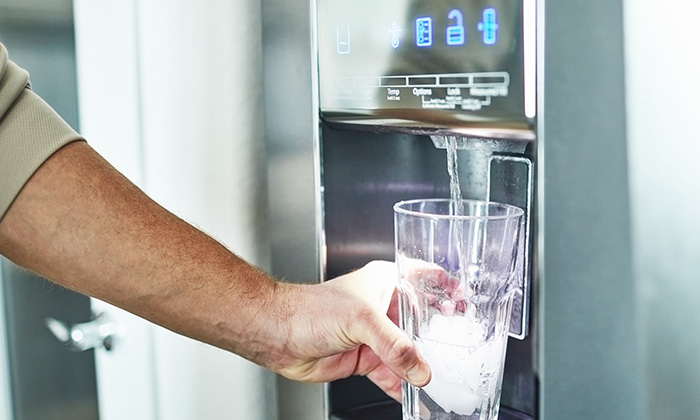
Most major manufacturers, including Samsung, LG, and Whirlpool, recommend replacing your refrigerator water filter every six months. However, this can vary based on your household's water usage and the quality of your local water supply. If you notice a decrease in water flow or a change in taste, it’s likely time for a swap.
How to dispose of a refrigerator water filter
Learning how to dispose of refrigerator water filter units responsibly is a great way to reduce your environmental footprint. Since these items don't belong in the trash if you can help it, follow these steps for a greener disposal:
- Check for Manufacturer Take-Back Programs: Brands like Brita and certain Frigidaire models often have mail-in programs. Check the Frigidaire water filter recycling portal or your specific brand's website for a pre-paid shipping label.
- Use Specialized Recycling Services: Look for companies like TerraCycle, which offer specialized boxes for hard-to-recycle household items.
- Visit Local Drop-off Centers: Some big-box home improvement stores have collection bins for specialized recyclables. It’s worth a quick call to see where to recycle refrigerator water filters in your immediate neighborhood.
- The "Last Resort" Trash Method: If you have exhausted all recycling options and must dispose of refrigerator water filter units in the trash, wrap the old filter in a biodegradable bag to prevent any trapped contaminants from leaking out during transport.
By taking these extra steps, you are doing your part to keep plastic and carbon waste out of our beautiful ecosystems. Of course, sometimes the problem is bigger than a small filter. If you find that your entire appliance has reached the end of its life, we’re here to help with professional refrigerator disposal.
Contact us when it’s time to dispose of your old refrigerator
At 1-800-GOT-JUNK?, we make junk disappear—and that includes the heavy, bulky appliances that are a headache to move. If you’re upgrading your kitchen or your old fridge has finally given up the ghost, our friendly, uniformed teams can handle the heavy lifting for you. We provide full-service junk removal across the United States, Canada, and Australia, meaning all you have to do is point and we’ll take it from there.
We take pride in our expertise in refrigerator disposal. We don't just haul it away to a landfill; we're committed to environmental sustainability. We recycle the recyclables and donate the donatables, ensuring that your old appliance is processed responsibly, including the recovery of harmful refrigerants.
Ready to clear out some space? You can easily find pricing for junk removal on our website to help you plan your project. We're in your neighborhood and ready to help!
To get started, give us a call at our 24-hour customer service number, 1-800-468-5865, or try scheduling a junk pickup online today.
Frequently asked questions
What does a refrigerator water filter remove?
Refrigerator filters typically use activated carbon to remove contaminants such as chlorine (which affects taste and odor), lead, mercury, cysts, and some pesticides. High-end filters may also remove trace pharmaceuticals and chemicals.
Can you leave the water filter out of the refrigerator?
Technically, yes—most modern refrigerators come with a "bypass plug" that allows water to flow without a filter. However, you should only leave the water filter out of the refrigerator unit if you have a secondary whole-home filtration system. Otherwise, your water and ice will contain all the impurities of your local tap water.