How to remove an old bathtub by yourself



TL;DR
Removing an old bathtub yourself involves shutting off water lines, disconnecting plumbing, and cutting wall materials. Once the hard work is done, 1-800-GOT-JUNK? can ease the stress by hauling away the heavy tub, sharp tile shards, and renovation waste the moment demolition is done.
- Gather safety gear, plumbing tools, demolition tools, drop cloths, a bucket, towels, painter’s tape, and a tub drain remover tool before starting.
- Fiberglass and acrylic tubs are lighter and can be cut into sections; cast iron tubs are very heavy.
- A DIY bathtub replacement can take a full weekend, while a professional replacement typically takes 1–2 days.
- Most curbside trash services will not pick up construction debris.
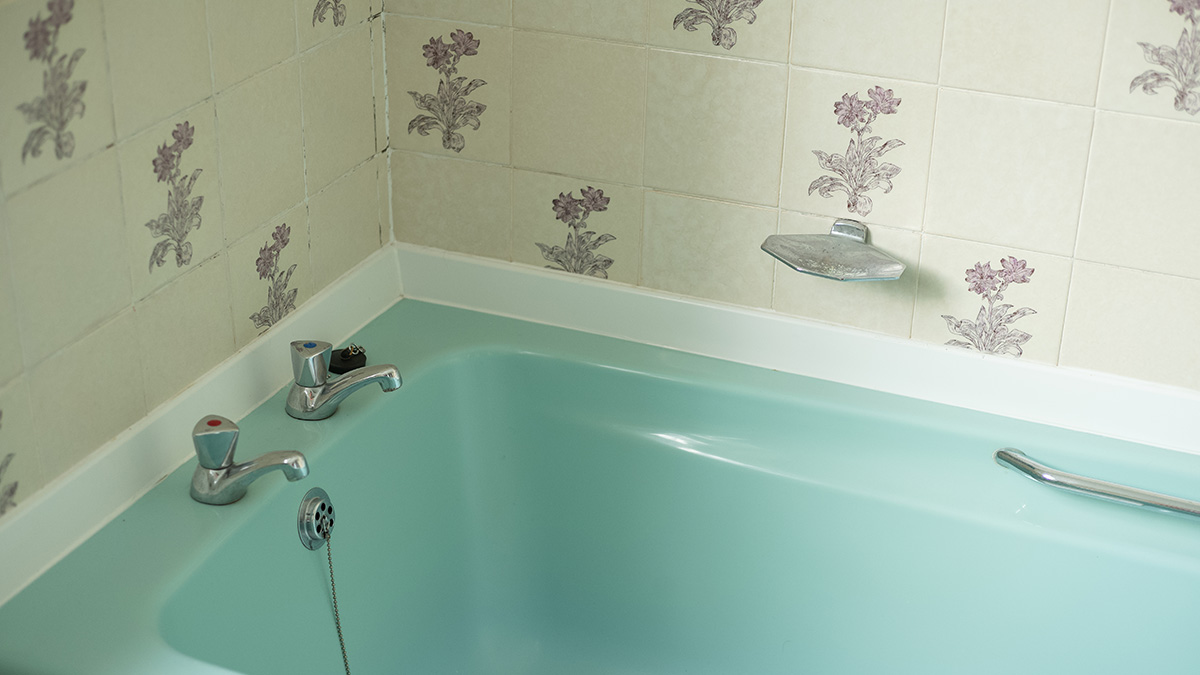
To remove a bathtub, you must first shut off the water supply, disconnect the drain and overflow plumbing, remove the wall surround or tiles, and unscrew the tub from the wall studs before prying it out. Tackling a bathtub renovation yourself is an excellent way to save money on labor costs while modernizing your space. While the prospect of removing a bathtub might seem daunting, it is a manageable DIY project with the right tools and a little patience. Whether you are planning to replace a tub with a shower or simply upgrade an old bathtub, this guide will walk you through every step of the process to ensure a smooth transition to your new bathroom oasis. It’s not an easy task—you need to shut off the water supply, disconnect the drain and overflow plumbing, remove the wall surround or tiles, and unscrew the tub from the wall studs before prying it out—but it’s entirely possible to DIY it.
Need a hand? If the demolition leaves you with a mess, 1-800-GOT-JUNK? offers same-day waste removal to help you keep your project on track.
Tools required to remove a bathtub
Before you begin, gather these essential items to ensure you don't have to stop mid-project. Having a bathtub connection kit or the right wrenches on hand is vital for a smooth bathtub removal.
12 steps to remove your tub
Follow these steps to navigate your bathtub removal service at home safely. Replacing your bathtub requires some physical effort, but following this sequence makes it much more approachable.
1. Prepare and protect the work area
- Time Estimate: 20 minutes
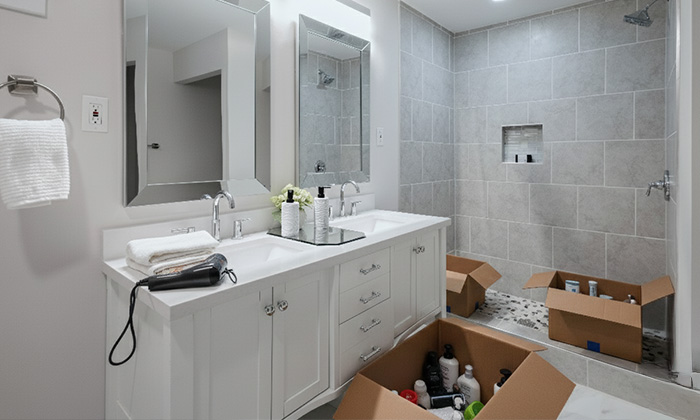
- Instructions: Clear out all toiletries and shower curtains. Lay down drop cloths or heavy cardboard over the bathroom floor to prevent scratches.
- Pro Tip: Use painter's tape to secure the cardboard so it doesn't slip while you're moving heavy items.

2. Shut off water and electrical
- Time Estimate: 10 minutes
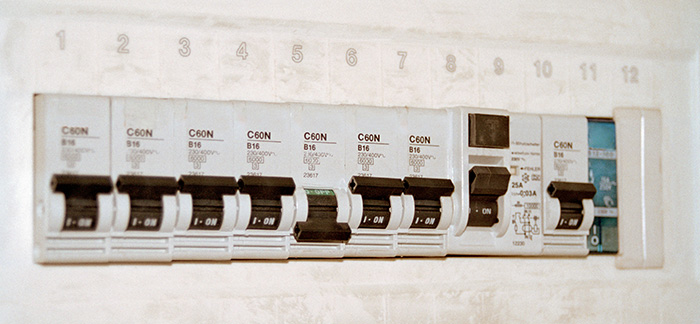
- Instructions: You need to know how to shut off water to the bathtub specifically. If your tub doesn't have local shut-off valves, turn off the main water line to the house. If you have a jetted tub, ensure the circuit breaker is off.
- Mistake to Avoid: Forgetting to check how to turn off water to the bathtub only can result in a whole-house water outage you weren't prepared for.
3. Remove faucet handles, spout, overflow cover, and drain trim
- Time Estimate: 30 minutes
- Instructions: Use your screwdriver and pliers to remove the hardware. This allows you to see the bathtub connection points clearly.
- How to remove old tub drain: Use a drain wrench or pliers to unscrew the trim from the bottom of the tub.
4. Remove and pull out the old drain
- Time Estimate: 15 minutes
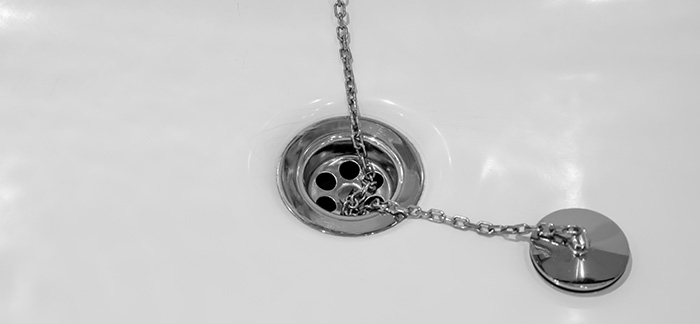
- Instructions: Learning how to remove drain from tub is often the trickiest part. Use a tub drain remover (a "dumbell" wrench) to unscrew the flange.
- How to take off the bathtub drain: If it’s stuck, apply a penetrating lubricant and let it sit for ten minutes before trying again.
5. Access and disconnect the P-trap
- Time Estimate: 20 minutes
- Instructions: If you have access from a basement or crawlspace, replacing tub drain components is easier. Disconnect the waste and overflow pipes from the P-trap.
- How to remove the bathtub drain: Be prepared with a bucket to catch any stagnant water remaining in the trap.

6. Cut caulk and remove wall material securing the tub
- Time Estimate: 45–60 minutes
- Instructions: Use a utility knife to cut the caulk. To remove a bathtub without destroying walls, you must carefully remove at least one row of tile above the tub flange.
- Pro Tip: If you're wondering how to remove a tub without a total gut job, take your time with the utility knife to prevent drywall tearing.

7. Remove screws or nails securing the tub to the studs
- Time Estimate: 15 minutes
- Instructions: Most tubs are nailed or screwed through a flange into the wall studs. Locate these fasteners and remove them.
- How to remove a steel bathtub: These are heavy! Ensure all fasteners are out before trying to pry, or you risk damaging the framing.

8. Free the tub and slide or lift it out
- Time Estimate: 30 minutes
- Instructions: Use a pry bar to lift one end of the old bathtub. Slide 2x4 boards underneath to act as skids.
- How to get a bathtub out of a small bathroom: You may need to stand the tub on its end to maneuver it through a narrow doorway.

9. Remove remaining drain components and clean the opening
- Time Estimate: 20 minutes
- Instructions: Once the tub is out, you can replace bathtub drain pipes that look worn. Clean the area thoroughly.
- Pro Tip: This is the perfect time to look into cleaning after the renovation or hiring a professional post-renovation cleaning service.

10. Inspect and repair the subfloor and framing
- Time Estimate: 30 minutes
- Instructions: Check for water damage or rot. If the wood is soft, it must be replaced before you install a bathtub or replace the bathtub with a shower.

11. Clean up and dispose of the old tub
- Time Estimate: 45 minutes
- Instructions: Sweep up all debris, including old mortar and tile shards. Remember that 1-800-GOT-JUNK? doesn’t just remove waste, but also offers a professional post-renovation cleaning service to help with cleaning after the renovation.

12. Tips for removing different types of bathtubs
- Fiberglass or Acrylic: These are lightweight. If the tub is too large for the door, you can safely use a reciprocating saw to cut it into smaller pieces.
- Cast Iron: These are incredibly heavy. You may need to break an old bathtub into pieces with a sledgehammer (wear eye protection!) to remove it.
- Porcelain or Steel: These can be slippery. Use "how to remove a steel tub" techniques by using moving straps for a better grip.
- Jetted or Walk-in: Be sure to disconnect all electrical components and pumps before attempting a how to remove a walk in tub or how to remove a jetted tub process.
How to dispose of a bathtub
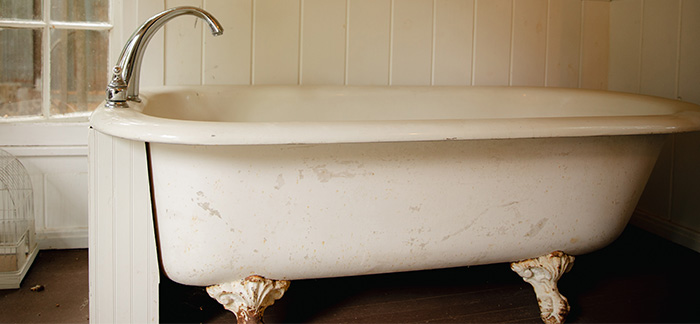
Once the tub removal is complete, you're left with a large, heavy object. Disposing of it can be a challenge, as most curbside trash services won't pick up bulky construction debris. Many of the steps for disposal are similar to disposing of a bathroom sink, including checking for local recycling centers that accept scrap metal.
If your tub is in good shape, consider donating it to a local charity that accepts building supplies. However, if it’s cracked or heavy cast iron, the easiest way to handle removing bathtub waste is to call in the professionals.
We handle renovation waste and debris removal
Renovating your bathroom should be an exciting time, not a stressful one spent hauling heavy debris to the landfill. At 1-800-GOT-JUNK?, we’re happy to help take the weight off your shoulders. Whether it's an old bathtub, tile shards, or bathroom renovation waste, we make junk disappear!
All you have to do is point, and our friendly, uniformed teams will handle all the heavy lifting. We are committed to environmental sustainability, so we recycle the recyclables and donate the donatables whenever possible. You can easily find pricing for junk removal on our website to help you budget for your project.
We offer junk removal services across the United States, Canada, and Australia. Ready to clear the space for your new tub? Contact 1-800-GOT-JUNK? by calling our 24-hour customer service line at 1-800-468-5865 or scheduling a junk pickup online. We’re happy to help!
Frequently asked questions
How much is it to replace a bathtub?
On average, a bathtub renovation costs between $1,500 and $5,000, including the new tub, materials, and labor. Doing the bathtub removal yourself can save you hundreds.
How long does it take to replace a bathtub?
Typically, a professional can do it in 1–2 days. For a DIYer, expect the process of replacing a bathtub to take a full weekend.
Can you remove a bathtub without destroying walls or damaging tile?
It is difficult, but possible. You must carefully cut the caulk and remove only the bottom-most row of tiles to access the flange.
How hard is it to replace a bathtub?
It is moderately difficult. It requires basic plumbing knowledge, some heavy lifting, and the ability to work in tight spaces.
How long does it take to install a bathtub?
Once the old one is out, setting and plumbing the new tub takes about 3–6 hours, depending on if you need to plumb a tub from scratch.
How do you measure a bathtub for replacement?
Measure the length, width, and height of the existing tub. Also, note the drain location (left, right, or center) to ensure the new one fits the bathtub connection.
How to get a bathtub out of a small bathroom?
The best way is to stand the tub vertically on its end. If it is a fiberglass model, you can cut it into sections using a reciprocating saw.
Can you put a new tub over an old one?
Yes, this is called a tub liner. However, it doesn't fix underlying plumbing issues or mold, so a full replacement bathroom tub is usually better.