How to remove kitchen cabinets without damage to them or your walls



TL;DR
Removing kitchen cabinets is a great way to refresh your space. Once you’ve followed the step-by-step guide for removal, 1-800-GOT-JUNK? can haul away old cabinets, countertops, appliances, and renovation debris, so you can enjoy your new space.
- Use a power drill, putty knife, pry bar, utility knife, screwdriver set, and adjustable wrench.
- Wear goggles and gloves, shut off electricity and water, and use a partner for upper cabinets.
- Remove doors, drawers, trim, plumbing, electrical connections, and fasteners before lifting cabinets away.
- A standard kitchen cabinet removal usually takes 3 to 6 hours as a moderate DIY project.

You can remove kitchen cabinets without damage by carefully unscrewing the fasteners from the wall studs and prying away any adhesive or caulk with a putty knife. Whether you are planning a full remodel or just want to refresh your storage, learning how to remove kitchen cabinets is a rewarding DIY project that saves you money and prepares your space for something new. Our step-by-step guide will cover the safe removal of both upper and lower kitchen cabinets, providing you with the professional tips needed to keep your walls pristine and your old cabinets intact for donation or reuse.
Ready to clear out the old to make room for the new? 1-800-GOT-JUNK? offers same-day waste removal to help keep your renovation moving forward without the clutter!
How to remove cabinets from your kitchen walls
Removing cabinets can seem daunting but it’s actually a straightforward process! Whether you’re dealing with standard wooden units, metal kitchen cabinets, or large built in cabinets, the process follows a logical flow of disconnection and extraction. If you want to replace kitchen cabinets or simply learn how to remove wall cabinets to open up your space, taking your time is the key to success.
Gather your tools
Before you start your cabinet removal, you’ll need a specific set of kitchen cabinet tools. Having these ready will ensure you aren't scrambling mid-demo.
Take safety measures
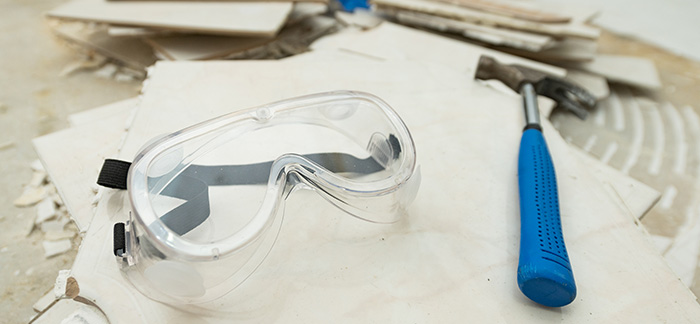
Cabinet demolition can be dusty and involves heavy lifting. Always wear safety goggles and work gloves. If you are removing upper cabinets, ensure you have a sturdy ladder and a partner to help hold the weight as the last screws come out. Turn off the electricity to any outlets located within the cabinetry and shut off the water supply if you are removing kitchen cabinets near the sink.
Remove cabinet doors and drawers
Start by taking doors off kitchen cabinets to make the units lighter and to reveal the interior screws. If your hardware is modern, you might be wondering how to remove cabinet doors without clips. Usually, this involves unscrewing the hinge plate directly from the cabinet frame. Slide out all drawers and set them aside. This is also the time for taking down cabinet trim or molding using a small pry bar.

Disconnect plumbing and electrical
Before you remove kitchen cabinets and countertops, you must disconnect the sink and any built-in appliances. If you're wondering if you should remove if you should empty cabinets before installing countertop, the answer is a resounding yes. It makes the units lighter and prevents damage to your belongings. Carefully disconnect the drain pipes and supply lines.

Remove fasteners securing the cabinets
Most modern units are held together by screws. To remove a kitchen cabinet, first look for the screws joining the individual units together (the face frames). Once those are out, locate the screws holding the cabinets to the wall studs. If you have metal cabinets in kitchen setups, these are often bolted or screwed into a rail system.
Pro Tip: If you encounter kitchen cabinets with no screws, they may be held by nails or heavy-duty construction adhesive. In this case, how to remove glued kitchen cabinets involves using a heat gun to soften the glue before gently prying.
Loosen the cabinets from the wall and remove them
When removing cabinets, always start with the upper kitchen cabinets so the lower ones can act as a temporary shelf or workspace. Use a utility knife to score the caulk where the cabinet meets the wall; this is essential for removing cabinets from the wall without damage. Once the screws are out, gently pull the unit forward. For lower kitchen cabinets, you may need to learn how to remove base cabinets without removing countertops if you plan on keeping the stone. However, if the goal is to remove kitchen cabinets and countertops together, you’ll typically need to unscrew the counter from the base blocks first.

Clean up and prepare the space
Once you take down cabinets, you’ll likely find years of dust and perhaps some wall damage. Use a spackle compound to fill holes where the screws were. If you have a metal cabinet for kitchen use, check for any rust marks on the drywall. If you are also wondering how to get rid of countertops, now is the time to prepare them for removal.
Let us help you with post renovation cleanup
Learning how to take out kitchen cabinets is just the first half of the job. The second half is how to deal with the debris! Whether you’ve just finished removing cabinets from wall sections or a total post-renovation cleanup, 1-800-GOT-JUNK? is here to make the process seamless.
We make junk disappear so you can focus on your new kitchen design. Whether you need to dispose of a stove or recycle your fridge, we handle all the heavy lifting. All you have to do is point, and our professional team will haul away your old cabinets, countertops, and appliances. We recycle the recyclables and donate the donatables, ensuring your old kitchen finds a new life whenever possible.
We offer transparent pricing for junk removal based on how much space your items take up in our truck. We are proud to serve communities across the United States, Canada, and Australia. Check our Locations page to find a team in your neighborhood.
Ready to clear the clutter? Call our 24-hour customer service at 1-800-468-5865 or schedule a junk pickup online today!
Frequently asked questions
How much does it cost to remove kitchen cabinets?
The cost to remove kitchen cabinets yourself is primarily the price of tools and disposal fees. Professional demolition can range from $500 to $1,500, depending on the kitchen size, but you can save significantly by doing the cabinet removal yourself and hiring a junk removal service for the debris.
Should I empty my kitchen cabinets before installing a countertop?
Yes, you should always empty your cabinets before installing a countertop or removing kitchen cabinets. This protects your items from dust and debris, reduces the weight of the units, and provides the installers (or you) with clear access to the interior fasteners and support blocks.
How to remove granite countertops without damaging kitchen cabinets?
To remove granite countertops without damaging cabinets, use a putty knife to carefully cut the silicone seal between the counter and the cabinet. Use a heat gun to soften any heavy adhesive, then use several people to lift the slab straight up to avoid putting pressure on the cabinet's wood frame.
How to remove the screws from kitchen cabinets?
To remove screws from kitchen cabinets, use a power drill with a bit that fits the screw head snugly (usually Phillips or Robertson). If a screw is stripped, you can use a screw extractor kit or grip the head with pliers to manually turn it.
How hard is it to remove kitchen cabinets, and how long does it take?
It depends on the kitchen size, but typically it takes 3 to 6 hours for a standard room. Removing cabinets is considered a moderate DIY task with the most difficult part being the physical lifting. The actual cabinet removal process is quite straightforward with the right tools.