



The best ways to pack for a move



TL;DR
Moving takes time–from planning and packing 4 to 6 weeks in advance to labeling and sorting everything you own. The friendly team at 1-800-GOT-JUNK? can help by removing unwanted furniture, mattresses, electronics, and clutter before (or after!) moving day. All you have to do is point.
- Start with non-essentials like seasonal items, books, decor, and specialty kitchen tools.
- Label every box with its destination room and a short contents list.
- Pack heavy items on the bottom, lighter items on top, and avoid overfilling boxes.
- Keep moving-day essentials separate, including toiletries, chargers, clothes, tools, documents, and medications.
- A studio may take 1-2 days to pack, while a 3-bedroom house usually takes 3-5 days.

The best way to pack for a move is to start early, declutter your space first, and organize your belongings by room to ensure a smooth transition to your new home. Moving can feel daunting, especially if you are on a tight schedule or moving a large household. However, with the right strategy and a positive mindset, you can turn a stressful weekend into a seamless experience. 1-800-GOT-JUNK? is here to help simplify the process, whether you are wondering how to pack for a move in 3 days or you have a full month to prepare. This guide will walk you through the best ways to pack up a house or apartment efficiently, so you can focus on the excitement of your new beginning.
Before you start packing: Declutter, plan, and organize
Before you even tape the bottom of your first box, you need a solid game plan. Jumping straight into packing without a strategy often leads to bringing unnecessary clutter into your new home. By taking the time to declutter, inventory your items, and gather the right packing supplies for moving, you save yourself time, energy, and money in the long run.
Declutter and downsize
The secret to an easy move is having less to move! Take an honest look at your belongings and decide what truly deserves a spot in your new life. Performing a pre-move declutter allows you to lighten your load significantly. If you find yourself overwhelmed by old furniture, broken electronics, or bags of unwanted "stuff," we can help. Our team specializes in pre- and post-moving cleanouts, making the process incredibly convenient. We’re happy to help by doing all the heavy lifting, and we always strive to recycle the recyclables and donate the donatables whenever possible.
Take inventory of your belongings
Once you’ve decluttered, create a master list of what stays. Walk through each room and note high-value items, fragile pieces, and furniture. This inventory serves as your packing checklist for moving, ensuring nothing gets left behind and helping you determine exactly how many boxes you’ll need to pack successfully.
Create a timeline for your move
Timing is everything. When to start packing for a move depends on the size of your home, but a six-week lead time is ideal. Use this moving checklist to stay on track. You should also consult a move-out cleaning checklist to ensure your old space is left in top shape for the next residents.
Get packing supplies for moving
Don’t wait until the last minute to find cardboard boxes for moving. Having high-quality materials prevents damage and makes stacking much easier.
How to pack efficiently for a move
Learning how to pack efficiently for a move is about working smarter, not harder. Whether you are learning how to pack up an apartment or a sprawling suburban home, a systematic approach prevents that "everything is everywhere" feeling.
- Start with non-essentials: Begin with items you don't use daily, like seasonal decorations, books, and fine china.
- Pack room by room: Focus on one area at a time (e.g., Guest Room > Library > Living Room) to keep your mind and your home organized.
- Label as you go: Mark each box with its destination room and a brief list of contents.
- Use smart packing techniques: Place heavier items at the bottom of boxes and lighter items on top. Create a bag with essentials for moving day: Include toiletries, a change of clothes, chargers, and basic tools, so you don't have to hunt through boxes on your first night.
How to pack all the things
Every item in your home requires a slightly different touch. Here is the best way to pack specific items to ensure they arrive safely.
How to pack boxes for moving
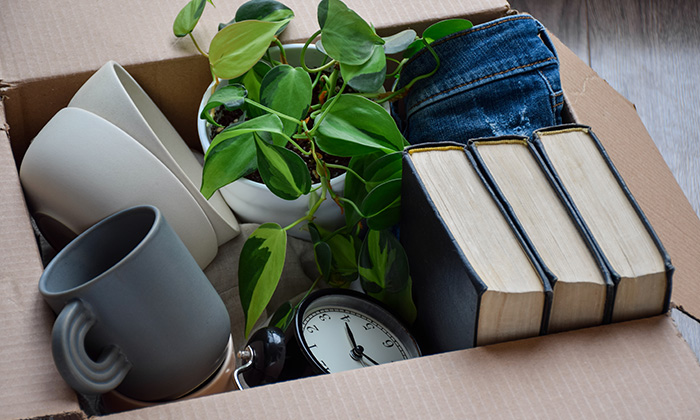
When considering how to pack moving boxes, never overfill them. A box should be heavy enough to be sturdy but light enough for one person to carry comfortably. Use crushed paper to fill any gaps so items don't shift during transit.
How to pack clothes for moving
For packing clothes for moving, keep it simple. Use wardrobe boxes for hanging items, and use the "rolling" method for dresser drawers to save space. You can even leave clothes in your dresser drawers if the furniture piece isn't too heavy!
How to pack furniture for moving
Knowing how to pack furniture for moving involves protection. Remove legs from tables and couches when possible, wrap pieces in moving blankets, and secure them with plastic wrap to prevent scratches.
How to pack a kitchen for moving
The kitchen is often the most time-consuming room to pack, since it usually has a wide variety of items. It’s important to be careful when mixing heavier items like pots, pans, and small appliances with lighter, more delicate items. Pack your dishes together, and wrap each item individually, stacking plates vertically (like records), as they're less likely to break this way.

How to pack bathroom items for moving
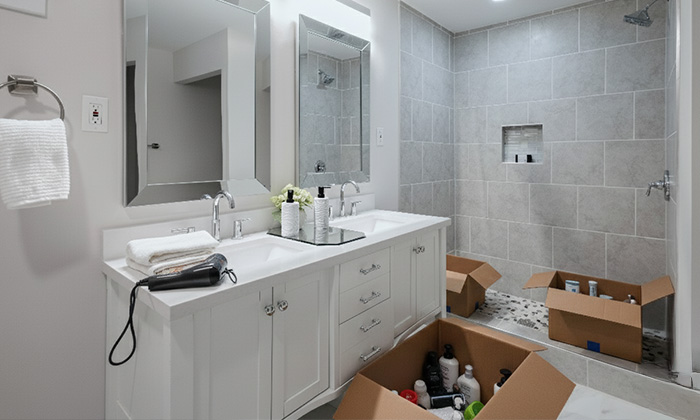
When packing up a bathroom for moving, ensure all liquids are sealed. Place a piece of plastic wrap under the cap of shampoos and lotions to prevent leaks, and group "like" items together in small, waterproof bins.
How to pack up a house
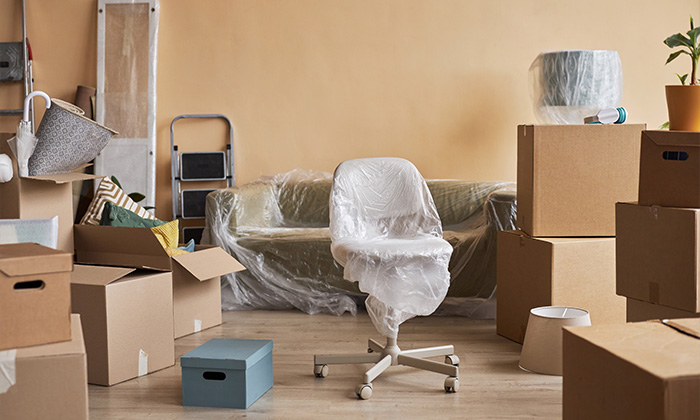
When you pack a house, the scale can be intimidating. Break it down by floor first, and then focus on one room at a time. Start in the attic or basement—the places where "stuff" tends to accumulate—and work your way toward the high-traffic areas like the kitchen.
How to pack up an apartment
When packing up an apartment, space is usually at a premium. Use your suitcases to transport heavy items like books, and use towels or linens to wrap fragile decor to save on buying extra bubble wrap.
What to do with all the junk?
Moving often reveals just how much we’ve accumulated over the years. If you find yourself surrounded by items that no longer serve you, don't let it slow down your packing and moving process. We make junk disappear so you can start fresh in your new home. All you have to do is point, and our professional team will whisk away everything from old mattresses to outdated electronics.
If you’re worried about the cost, you can easily access pricing for junk removal on our website. We offer professional junk removal services across the United States, Canada, and Australia. We are in your neighborhood and ready to help make your move a success!
Ready to clear the clutter? Schedule a junk pickup online or call our 24-hour customer service team at 1-800-468-5865.
Frequently asked questions
What to pack first when moving?
Focus on items you won't need in the weeks leading up to the move, such as out-of-season clothing, books, specialized kitchen gadgets, and decor.
What to pack last when moving?
Keep your daily essentials for the very end: your bed linens, basic toiletries, a few dishes, and any important documents or medications.
What not to pack when moving?
Do not pack hazardous materials like paint, cleaning chemicals, or propane tanks. You should also avoid packing perishable food or irreplaceable valuables (keep those with you!).
When should you start packing to move?
When should you start packing to move? Ideally, you should begin the process 4 to 6 weeks before your move date to avoid a last-minute rush.
How long does it take to pack a house?
How long it takes to pack a house depends on the size. A studio might take 1-2 days, while it typically takes about 3-5 days to pack a 3-bedroom house if you are working steadily.


