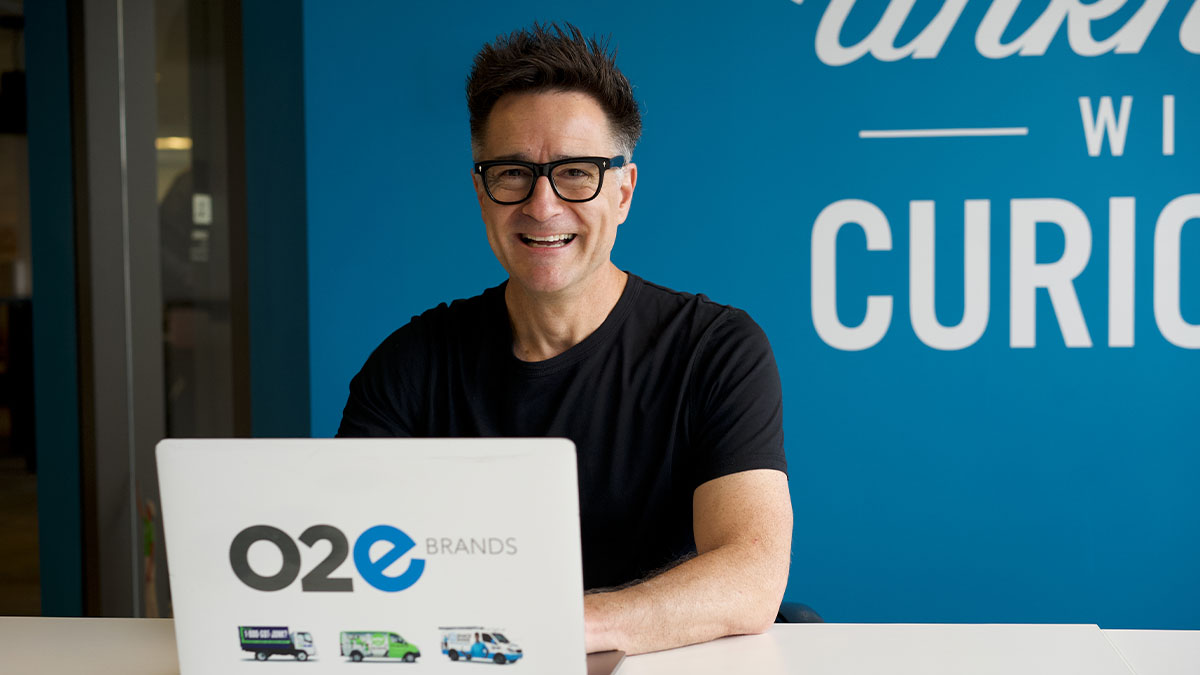
Elevate podcast (2025): 1-800-GOT-JUNK? founder Brian Scudamore on mistakes every entrepreneur should make




TL;DR
Joining Robert Glazer on the Elevate Podcast for the third time, Brian Scudamore reflects on how slow, steady growth beats chasing quick capital. In this article, he shares:
- Why overspending kills startups: building organically forces companies to master operations, watch every dollar, and refine customer experience to build strong foundations for growth.
- 5 key mistakes every entrepreneur should make to grow: money as motivation, hiring the wrong people, controlling everything, focusing on competition, and ignoring your gut.
- People-first culture: betting on passionate people who share the company’s “make it easy” philosophy is what holds the brand together across every business.
Originally aired May 20, 2025
Published by: Elevate Podcast
Host: Robert Glazer
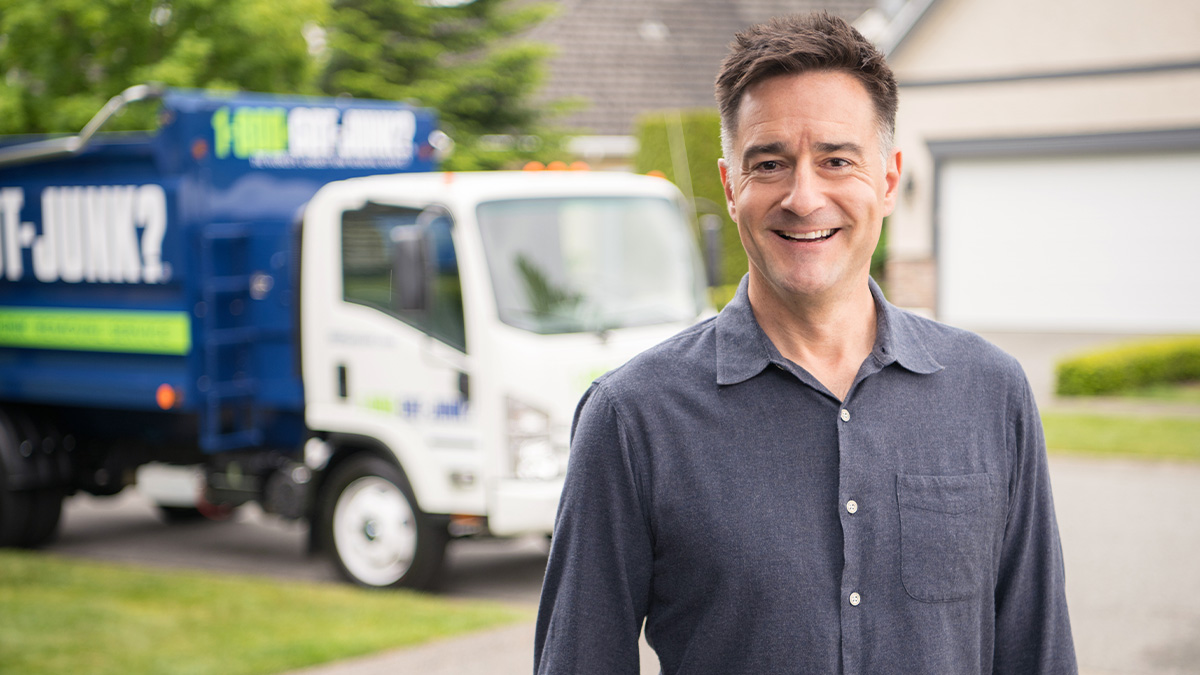
Guest: Brian Scudamore, Founder and CEO of 1-800-GOT-JUNK?.
Brian Scudamore chats with Robert Glazer about branding, culture, and essential entrepreneurial mistakes
“Nobody’s going to worry about your business except you. Your competition isn’t worrying about your business. You’re worrying about their business, and you’re taking yourself away from yours.”
When I sat down in 2025 with my longtime friend Robert Glazer on the Elevate Podcast, I was excited to join the rare “three-timer club on the show”, as Robert put it. After a quick summary of how I started this 36-year junk removal journey, we dove deep into all things entrepreneurship!
Since it has been over 30 years since I started 1-800-GOT-JUNK?, we first talked about how the business landscape has shifted over that time. For years, the startup world celebrated "growth at all costs", often meaning raising massive venture rounds, burning cash, and hoping profitability would magically appear down the road. But as capital dries up, many founders are discovering that overspending is not a strategy.
Why playing the long game beats chasing quick capital
I have never raised outside capital, and I have always kept 1-800-GOT-JUNK? private. When I started out with a single $700 pickup truck, it took me eight full years to reach $1 million in revenue. Eight years is a long time when you watch peers scale faster on paper, but building organically forced us to master our operations, watch every dollar, and refine our customer experience.
Today, across Canada, the United States, and Australia, 1-800-GOT-JUNK? generates $1 million before 11:00 AM on any given day. That exponential acceleration only happened because we laid a rock-solid foundation. Whenever I mentor new Franchise Partners, I remind them that building a business is not a one-year sprint. It’s a long-term journey where playing the long game wins every time.
How bootstrapped creativity builds a lasting brand
Having limited resources in the early days was actually our greatest gift. When you don’t have millions of dollars to dump into mass advertising, necessity forces you to be creative.
Instead of paying for expensive media campaigns, we focused on guerrilla marketing, clean trucks, and earned PR hits. We painted our phone number on the sides of our trucks, parked them at busy intersections as mobile billboards, and pitched our story to journalists. Over the years, that scrappy mindset earned us over 6,000 media features, including The Oprah Winfrey Show, The Wall Street Journal, and CNN.
I often reference Howard Schultz and Starbucks when talking about brand building. Starbucks waited until they reached $1 billion in revenue before investing heavily in mass media advertising. At 1-800-GOT-JUNK?, we waited until we hit $150 million before launching major national television campaigns. Building a brand through word of mouth, exceptional service, and creative PR ensures your customer experience is proven before you turn up the volume.
Five mistakes every entrepreneur should make
During our chat, Robert brought up a LinkedIn post I wrote about the five mistakes every founder needs to make in order to grow. These lessons were earned through my real-world experience:
- Using money as a motivator: If getting rich is your primary goal, short-term thinking will compromise your brand. Focus on taking care of your people and solving customer problems, and the financial growth will naturally follow.
- Hiring the wrong people: Early on, I had to fire my entire 11-person crew because their negative attitudes were impacting the business. That reset taught me that we are in the people business first, and that hiring for values and culture fit is non-negotiable.
- Trying to control everything: True delegation is not abdication. It means setting parameters, empowering your team, and giving them room to execute. When I empowered our PR intern Tyler, he landed us on Oprah, something I could never have accomplished alone!
- Focusing on beating the competition: Obsessing over competitors steals energy from your own business. Learn from others, but stay focused on delivering clean, reliable, and magical service to your own customers.
- Ignoring your gut: When something feels wrong about a strategy or partnership, trust your intuition. Your gut is simply your brain processing years of subconscious observations.
Why people and culture drive operational magic
At 1-800-GOT-JUNK?, our core formula is simple: take care of your people, and they will take care of the customer. When customers receive exceptional service, revenue and growth take care of themselves.
We deliver on four core brand promises: on-time service, upfront rates, clean trucks, and friendly, uniformed drivers. Our professional two-person teams arrive in pairs, wearing clean blue polos and dark trousers, ready to work with a smile. To our customers, having their clutter vanish feels like pure magic!
Human connection in an AI world
Toward the end of our conversation, Robert and I discussed the ever-growing rise of AI and automation. While technology can streamline backend processes, it can never replace genuine human empathy and warmth.
I shared the story of Frank, a security guard at the TED Conference in Vancouver. For eleven years, Frank stood at the front doors, greeting all 1,500 attendees by name with a warm smile and a genuine welcome. At the recent conference, TED curator Chris Anderson brought Frank onto the stage, and the entire room gave him a unanimous standing ovation. In a world full of algorithms, human connection is what truly matters.
“I believe that smiles and hugs make the world go around. And that’s my job.”
— Frank, TED Conference security guard
Read the full interview
At the beginning of our interview, Robert kindly called me a “true visionary entrepreneur”. While it’s a lofty title, over the course of our conversation I think we delved deep into why that may be. At the end of the day, my focus will continue to be on creating irreplaceable human connection through clear focus, creativity, and a people-first mindset.
Interested in reading the full conversation? Expand below to hear even more of my conversation with Robert Glazer on the Elevate podcast.
Brian Scudamore: [00:00:00:00 - 00:00:15:06] Nobody's going to worry about your business except you. Your competition isn't worrying about your business. You're worrying about their business, and you're taking yourself away from yours.
Robert Glazer: [00:00:15:09 - 00:00:29:12] You're listening to the Elevate podcast, and I'm your host, Robert Glazer. Join me as I talk to world-class performers about how they build their capacity and reach greater heights in leadership, business, and life, and how you can do the same.
Robert Glazer: [00:00:29:14 - 00:00:31:03] Welcome to the Elevate Podcast.
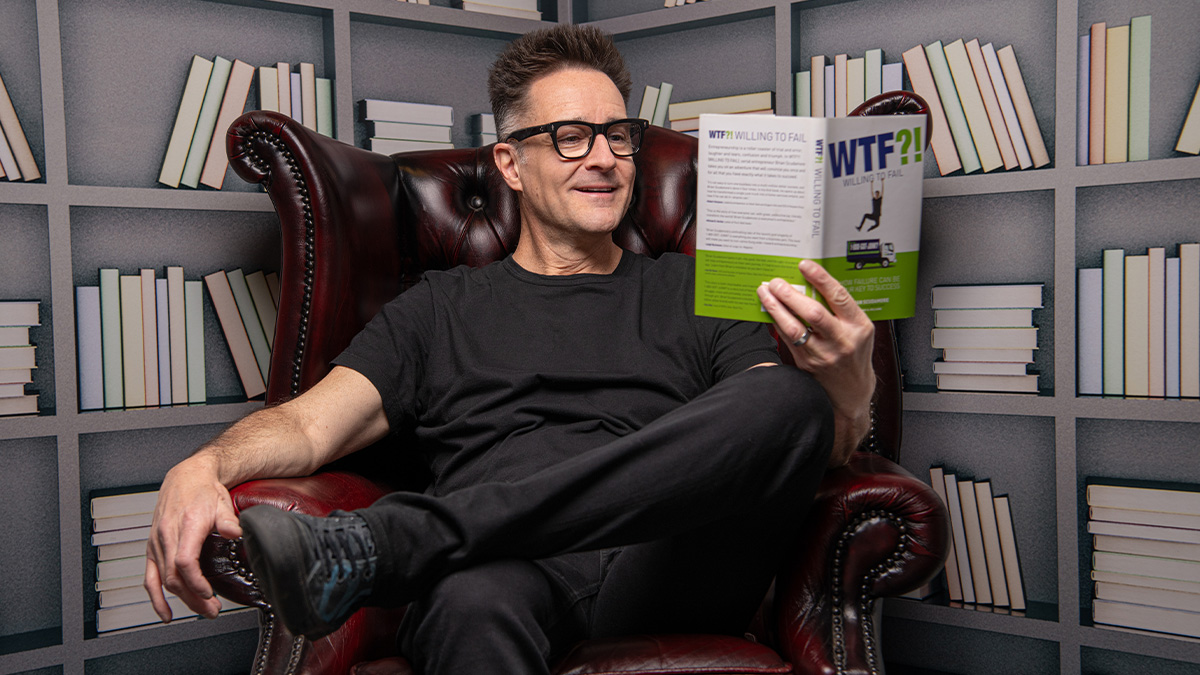
Robert Glazer: [00:00:31:08 - 00:00:55:15] Our quote for today is from Jonathan Swift. "Vision is the art of seeing that which is invisible to others." Today's guest is a true visionary entrepreneur, Brian Scudamore. Brian is the founder and CEO of O2E Brands, home of 1-800-GOT-JUNK? and other exceptional home services brands. He's also the author of the number one bestselling book, WTF: Willing to Fail, and a new one, BYOB: Build Your Own Business, Be Your Own Boss.
Robert Glazer: [00:00:55:16 - 00:01:03:16] Brian Scudamore, welcome back to the Elevate Podcast.
Brian Scudamore: [00:01:03:19 - 00:01:05:06] Always a pleasure.
Robert Glazer: [00:01:05:08 - 00:01:26:22] So you are joining a very rarefied club. Well, there are a lot of achievements in life that are meaningful. You're joining the three-timer club on the show. I encourage people to check out your first two appearances, that's episode 44 and 191. But just to sum it up quickly for listeners who haven't heard those and don't like homework, give us a quick intro to you and your backstory.
Brian Scudamore: [00:01:29:14 - 00:01:48:17] I built three companies over 36 years, and I'm a high school dropout. I talked my way into college. I dropped out of college because I had started a business in junk removal. I loved my business and the learning that came from it so much that I said, "I think I'm quitting school and I'm going to do this full-time."
Brian Scudamore: [00:01:48:17 - 00:02:08:26] I just learned much more about business running one versus studying in school. I started what was called The Rubbish Boys at the time. Ten years after building this junk removal business in Vancouver, where I started, we became 1-800-GOT-JUNK? with a plan to be all over North America. We're now in Canada, the United States, and Australia.
Brian Scudamore: [00:02:08:28 - 00:02:31:17] Then we started two other home service brands. Two decades later, we started WOW 1 Day Painting, where we paint people's homes in a day, and Shack Shine, where we wash windows, gutters, power washing, and even install people's Christmas lights. So it's a home service empire that we're building, all about making it easy for the customer. “Make it easy” is at our core.
Brian Scudamore: [00:02:31:24 - 00:02:34:14] We love branding, and we love people.
Robert Glazer: [00:02:34:17 - 00:02:49:13] This Christmas light thing is a serious new business. I watch people, I call it like, "It's like the Clark Griswold package." I watch some of the stuff that people get installed. I mean, it's like thousands of dollars of stuff. I mean, it's no joke these days.
Brian Scudamore: [00:02:49:15 - 00:03:11:03] It's no joke. It's a great business. We do holiday lighting, whether it's Diwali, it doesn't matter. It's a big business for us. I believe we are teetering on, and almost there, the largest Christmas light installer in the country. So we're having fun. It's a bright, festive business that accounts for about a third of the revenue of Shack Shine.
Brian Scudamore: [00:03:11:03 - 00:03:14:27] It's really brought us a lot of great people that want to be franchise owners.
Robert Glazer: [00:03:15:01 - 00:03:20:08] Do you provide the lights in the packages, or do you just do the install for what people have?
Brian Scudamore: [00:03:20:10 - 00:03:25:19] We provide custom-cut packages. So if someone says, "I want a Griswold package" or "I want..."
Robert Glazer: [00:03:25:21 - 00:03:30:05] I was just, please tell me you call it the Griswold package. Have you named it that or not?
Brian Scudamore: [00:03:30:10 - 00:03:39:06] We actually have the Griswold Award. So the franchise partner who's done the biggest job every year gets the Griswold Award, which is pretty special.
Robert Glazer: [00:03:39:12 - 00:03:58:01] For those of you too young to know what we're talking about, National Lampoon's Christmas Vacation, one of the most iconic movies of all time, it is a must-see. So you're a good person to ask this question to. I had people on a couple of years ago, and I'd be like, "Hey, it's been a pandemic, like what's different?"
Robert Glazer: [00:03:58:02 - 00:04:24:06] Now people are on a couple of years ago, I'm like, "Hey, it's been a total evaporation of capital and high-growth business kind of thing." You've been doing this sustainable thing for a long time. You work with a lot of companies, but there's a pretty big change from the sort of zero-interest growth plan, "growth at all costs," and a focus more on sustainability and profit.
Robert Glazer: [00:04:24:06 - 00:04:42:19] I'm not sure for a lot of people that's just a switch that's easily flipped. I think we've been teaching this stuff in school. People grow up under a certain plan. Talk about what you've seen and how it's impacted either your business or the businesses that you see. I think it's generally a positive move, but I think it's been a big shift.
Brian Scudamore: [00:04:42:22 - 00:05:05:22] It's interesting. I've never raised money. I have always said I would never take the company public. I've always tried to do this organically. So it took me eight years to get to a million in revenue with 1-800-GOT-JUNK? Eight years. That's a long time. But then it started to accelerate, and we franchised, and things over time really picked up.
Brian Scudamore: [00:05:05:28 - 00:05:26:17] Today we do one million dollars before 11:00 AM. So the momentum that comes from that, what I'm trying to get to, is slow and steady wins the race. I think there are a lot of people that have said, "We want to raise capital, we want to go big or go home. We're going to make up profitability at some point decades down the road."
Brian Scudamore: [00:05:26:17 - 00:05:49:12] Of course, the Amazons of the world have done it, but it's so rare. Building a sustainable business with sustainable people, processes, and systems is nothing new to me. While the markets have changed and capital has dried up for many, I have always looked at our business and sort of cheerleaded the belief that we've got to build this slowly but surely.
Brian Scudamore: [00:05:49:12 - 00:06:10:00] We tell our franchise partners the same thing when they do less revenue in the first year than they had set goals for. "This isn't a one-year deal. This is a long-term, decade-long partnership at least. Play the long game." That's what's worked for us.
Robert Glazer: [00:06:10:03 - 00:06:34:28] I want to double-click on two things you said there, because Amazon comes up a lot, as does Facebook. I wrote a Friday Forward, not referencing this, but it was on this notion of people celebrating exceptions. Amazon getting a decade to be, you get one company every decade to be unprofitable, and then being that, this is kind of like LeBron James skipping college and going to the NBA. It's just not that frequent.
Robert Glazer: [00:06:35:00 - 00:06:55:07] You point to LeBron James, but we don't see the other kids who quit school and didn't finish and then were struggling. So I do think we tend to celebrate a few of these exception companies, like we do these athletes that are just not really repeatable events.
Brian Scudamore: [00:06:55:10 - 00:07:18:24] Everyone wants a hero. Everyone wants that hero's journey. Look at the Michael Jordans, the LeBron Jameses, the Jeff Bezos of the world. We want something to go, "What is the ultimate? Who is the person that's gone the biggest?" And "I want to be next" or "I want to be at least half as big." Well, half as big as Amazon is a very rare play, right?
Brian Scudamore: [00:07:18:29 - 00:07:45:08] I think the way I look at it is just it is about doing things slowly. If you found your place, Verne Harnish, a mentor to both of ours through EO, has always said, "Grow where you're planted." I stayed in home services. I stayed in franchising, and the first ten years when I built the business, I was just over a million in revenue. All of my entrepreneur friends in the Entrepreneurs' Organization had bigger businesses.
Brian Scudamore: [00:07:45:10 - 00:07:55:24] But I was playing the long game, and it wasn't about tomorrow. It was about way, way, way down the road. So I think it's okay to idolize some of our heroes, but you just don't...
Robert Glazer: [00:07:55:26 - 00:07:56:10] You just don't.
Brian Scudamore: [00:07:56:14 - 00:07:57:04] Need them.
Robert Glazer: [00:07:57:06 - 00:07:58:02] Yeah, yeah.
Brian Scudamore: [00:07:58:03 - 00:08:00:21] Use them for inspiration. Yeah.
Robert Glazer: [00:08:00:24 - 00:08:26:04] There's another thing that I think, look, in your company, and I've heard similar stories about Honest Tea and Stonyfield, like having no money or having limited resources really forces you to figure out product-market fit and marketing. Sometimes having a lot of money, you can obscure this for a long time. One of the interesting things of this, I think, is like delivery services.
Robert Glazer: [00:08:26:04 - 00:08:45:21] Obviously we've had DoorDash and a couple that are super successful, but a ton of bankruptcies too. The problem I saw was that the price was part of the product-market fit, right? So during COVID, when you made it 10% in free delivery, order everything. After COVID, like, should I go get the groceries? Or it's a 40% markup.
Robert Glazer: [00:08:45:21 - 00:09:05:11] By the way, at 10%, they don't have a viable business, but at 40%, they don't have customers interested. Tell me, how do you think about early on? I don't think a lot of people that we've taught businesses in over this period to grow and then figure out product-market fit. I think that's bad advice.
Brian Scudamore: [00:09:05:13 - 00:09:27:03] I would agree with you. I think, again, back to the "slow and steady wins the race." Overspending is not a strategy. I don't know about you, but when I grew up, I remember hearing from my parents, "Just because you have checks in your checkbook does not mean you have money in your account," right? As a kid, a 19-year-old, I bounced a couple of checks.
Brian Scudamore: [00:09:27:03 - 00:09:45:19] I didn't get that. But you realize as you're an entrepreneur and you start to grow and expand, it's risky to take on debt. It's risky to take on equity. And there's a cost. You give away ownership to the point that eventually you build it, and then you go, "Oh, I've got such a tiny bit of the pie left."
Brian Scudamore: [00:09:45:19 - 00:10:15:07] "I'm now squeezed out." We've seen that happen in countless, countless circumstances. So for me, I think it's "build it with a conscious strategy to manage the capital you have and be forced to think about a more efficient, effective way." If I had taken my million-dollar business, 1-800-GOT-JUNK?, and said, "Okay, in the next couple of years, I'm going to be a 100-million-dollar business and I can raise money to do so,"
Brian Scudamore: [00:10:15:10 - 00:10:36:07] I know that would have killed our business because we would not have watched every dollar. We would not have done some creative things. As you know, we've had, I don't know, we stopped counting at 6,000 media hits. Those are big ones, from Oprah and Ellen to The Wall Street Journal, The New York Times. We stopped counting, but that was a free strategy for us to build the business.
Brian Scudamore: [00:10:36:09 - 00:10:43:25] Had we raised money, we would have dumped it all into mass media from the beginning, and I don't think we would have had the same growth trajectory.
Robert Glazer: [00:10:43:28 - 00:10:48:28] Necessity is the mother of all inventions.
Brian Scudamore: [00:10:49:00 - 00:10:49:27] Absolutely.
Robert Glazer: [00:10:49:29 - 00:10:59:05] So yeah, your marketing has been driven by having to be creative and having to find ways to get noticed without being able to outspend people.
Brian Scudamore: [00:10:59:07 - 00:11:18:12] I had learned years ago, I had read Howard Schultz's book, or one of his books, and they did not start spending on mass media until they were a billion in revenue. When they did, they started with a 10-million-dollar ad budget. So they were still very small as a percentage of their revenue, and their business was built.
Brian Scudamore: [00:11:18:14 - 00:11:46:04] Al Ries talks about this in the book The 22 Immutable Laws of Branding. He said, "You build out your business slowly through its own means, through guerrilla marketing and being creative. You don't start actually spending money, real money, on advertising until you've gotten to a certain level." Starbucks waited to a billion. We waited until about 150 million before we really started going into mass media, and now it's a huge part of our budget.
Robert Glazer: [00:11:46:06 - 00:11:50:14] Yeah, you're on my TV every week. It's amazing.
Brian Scudamore: [00:11:50:16 - 00:11:51:08] I'm sorry.
Robert Glazer: [00:11:51:09 - 00:12:14:10] Talk about getting a good deal from your spokesperson. So you've answered this question before. Every episode I ask guests for a mistake they made and what they learned from it. I probably could put together a whole list of those insights, but I was drawn to a post you recently made on LinkedIn about the five mistakes every entrepreneur should make.
Robert Glazer: [00:12:14:16 - 00:12:35:27] Those were using money as a motivator, hiring the wrong people, trying to control everything, focus on beating the competition, and ignoring your gut. I'm five for five on those. Let's walk through these. Let's start with the first one, money as a motivator. How common is this, and what's the learning from this failure?
Brian Scudamore: [00:12:35:29 - 00:13:03:28] I think it ties into a lot of what we've already talked about, Robert, is people get motivated by the dollar signs and the big growth plans of, "I want to be the next Amazon," but they don't necessarily look at what the customer wants, what the need is, "How do I find and attract the right people? How do I make the decisions that really matter most versus just paying attention to that top-line growth number of dollars?"
Brian Scudamore: [00:13:04:05 - 00:13:26:21] If people overspend, if people don't make the right decisions, if money is the sole motivator for getting rich, I don't think someone builds a sustainable long-term business. Money can be a very short-term motivator, and then you realize the mistakes you make when that is your sole focus versus the long-term viability of, "What does my customer want?
Brian Scudamore: [00:13:26:26 - 00:13:57:21] How do I make this business easy? How do I stand out creatively as a brand?" I think it's just pulling yourself out. Be the tallest tree in the forest and look around and say, "The money will come." At least that's my experience. When I looked at my three businesses and how we've grown them, the money has always come, but it started by first, our formula is, "Take care of our people, and they will take care of the customer. Take care of the customer, and they will take care of the growth, the revenue, the profits, the opportunity of building a brand."
Robert Glazer: [00:13:57:24 - 00:14:19:23] You're talking about whether the company can support that. I think there's a separate thing, and Arthur Brooks, the esteemed professor of happiness at HBS, which always sounds funny. There's another aspect to this which is, why is that? What are you... is it your dad's approval you didn't have?
Robert Glazer: [00:14:19:24 - 00:14:40:02] Is it that teacher that told you, "You wouldn’t?" Some people are carrying some real personal emotional baggage. He talks about self-objectification and really asking yourself, "Why?" four or five times, and you might get to some uncomfortable truths.
Brian Scudamore: [00:14:40:04 - 00:15:01:22] Yeah. What is money really there for? Like you said, it might be to satisfy your praise from your father that you didn't get, and you were always yearning for, whatever it might be. But a lot of people want it, thinking it's going to, like Arthur Brooks talks about happiness, they think that's their answer. "When I have this giant yacht, I'm going to be happy."
Brian Scudamore: [00:15:01:24 - 00:15:20:00] Shaquille O'Neal, who I got to spend some time with, amazing entrepreneur, and Shaq said, I said, "Oh, do you still have your boat?" It was called Free Throw because he was such a bad free thrower. I said, "Do you still have your boat?" He's like, "Oh my gosh, best day of my life was selling that thing." He said it did nothing to make me happy.
Brian Scudamore: [00:15:20:02 - 00:15:21:19] This was a massive yacht.
Robert Glazer: [00:15:21:21 - 00:15:44:28] You and I have been around a lot of entrepreneurs with successful exits. I think we were also in a session where people talked about this at an event years ago. To people outside of this, it might seem like the world's smallest violin, but it's just more proof that a lot of these people had incredible exits, freedom, life-changing wealth, not happy, like even to the point of unhappy and depression.
Robert Glazer: [00:15:44:28 - 00:15:59:08] Because again, there was stuff missing behind that. I know it's other people like, "Oh, that's crazy." But if you've seen all of these people, you've been around these people and heard these stories enough, you really do start to believe that it's not going to make you happy in itself.
Brian Scudamore: [00:15:59:11 - 00:16:27:06] No, you're right. You and I have been around a lot. I know a lot of friends, a lot of close friends who have made a lot of money on their exits. Like you said, stupid wealth, game-changing, life-changing decisions. They are not even, it's not that they're not happy. In many ways, these people are miserable because they lost a baby of sorts, that they were doing a great job building, and they think they cashed out at the right time because it was going to be life-changing.
Brian Scudamore: [00:16:27:08 - 00:16:35:10] The life-changing happiness they were getting was actually running the business and being a part of that growth story. They miss it.
Robert Glazer: [00:16:35:13 - 00:16:59:21] No, it's, I've seen that movie. So the next one I resonate with, because I had a story version of this at our company, hiring the wrong people. I said, everyone... we joked that it was even a presentation, "Everyone has their name tag at our company. Give me the name of the person that you hired that was such a disaster that now you took hiring seriously after that."
Robert Glazer: [00:16:59:23 - 00:17:03:07] I think we all have one. Is that sort of what you're talking about there?
Brian Scudamore: [00:17:03:09 - 00:17:22:28] Yeah. So I would start as two stories here. The first time I really got it wrong, it was the whole company, nine bad apples out of 11 people. When I say bad apples, it's not that they were horrible people, but they weren't the right fit for me. They didn't have a glass-half-full mentality, and they were pessimists, and they complained.
Brian Scudamore: [00:17:23:00 - 00:17:40:12] So I fired my entire company of 11 people five years in, and I said, "I'm going to start again." Those two that I weren't sure if they were toxic and poisoned by the other nine, I just got rid of everybody. That was on me, though. That was... not once did I ever say, "I'm so mad at all these people."
Brian Scudamore: [00:17:40:14 - 00:18:03:17] I was mad at myself because I didn't understand who the right people were and how to find them. But once I did, that made all the difference in the world. Now, years later, I learned that the extremes, when I got rid of one person, I had a president in my company who was the wrong fit for me, wrong fit for the vision and culture and where we were going.
Brian Scudamore: [00:18:03:23 - 00:18:33:17] People internally thought this person was actually really good. But I could see this was not going to get us to our goals. In fact, we were starting to go in different directions, and we were several days away from bankruptcy because of some bad financial decisions that we'd made together. Getting that person out, one person at a larger size company of 100 million dollars, was so big that it reminded me again, "It's all about people."
Brian Scudamore: [00:18:33:17 - 00:18:39:08] Find the right people and treat them right, and all it takes is one to go sideways.
Robert Glazer: [00:18:39:11 - 00:19:04:04] It's like everyone's got a place. I think there's a lot of discussion, is, you know, "good or bad people." I just think there's fit. My always thing is universities in the US, right? You've got a small liberal arts school, you know, in the woods, and then you've got a big city school. They both could be great schools, but of course, totally different value propositions, totally different people that they're targeting who would be happy there.
Robert Glazer: [00:19:04:10 - 00:19:27:26] It works because they self-identify. The large city school is not trying to pretend to be the small urban school. I think sometimes we create this problem because we're trying to appeal to everyone, when really we should be trying to figure out the one or two percent of people who align with our company's mission and values and industry and figure out how to find those people.
Brian Scudamore: [00:19:27:28 - 00:19:49:25] One hundred percent. One hundred percent. Fit is okay. It doesn't mean that someone's a bad person, but being the wrong fit when you can find a company that is ideal for you, or a leader, a partner that's ideal for you. What I found, Erik Church, who's our president of O2E Brands, I mean, wow, 14 years ago, 13 years ago, absolute magic every day since.
Robert Glazer: [00:19:49:27 - 00:20:12:24] I want to proactively address, I think this probably got a little better in the last couple of years, but the word "fit" came under attack a couple of years ago, sort of under the, I think, the inclusion umbrella. I don't think anyone I know means that as carbon copy or the same people. But you have to have a couple, like in a marriage, or you have to have a couple things that everyone agrees on.
Robert Glazer: [00:20:12:26 - 00:20:25:22] You have to have some common people like, "Oh, it's an add, not a fit." I'm like, "I get the semantics, but I agree and I disagree. We do not want carbon copies, but there are some things that if you don't agree with, it's not going to be a good choice for you."
Brian Scudamore: [00:20:25:24 - 00:20:54:11] If you walked through my business right now, and we're in the office today, and there are, I don't know, 834 people between two offices that we have, you would go, someone would say, "Wow, look at the diversity of culture, gender, opinions, attitudes." There's this level of like, "We want people that will challenge us. We want people that aren't just like us, but will bring something to the team."
Brian Scudamore: [00:20:54:14 - 00:21:17:18] But one thing everybody notices is there's a magic about the place, and it just fits. It just works. Something that everyone here has in common is they're driven by our values. They're driven by our customer proposition of "make it easy." Everything we do, whether it's technology, or the junk removal, or any of our processes, we want to make it easy.
Brian Scudamore: [00:21:17:21 - 00:21:23:27] That's what brings us together, and that's one of the big "Do you fit?"
Robert Glazer: [00:21:23:29 - 00:21:49:19] Right. Look, the example I use in my book on values was different contexts. If you have a, I don't know, pick anything, a Bible study group on Sundays, you might have friends who are atheists, right? But you probably don't want a very vocal atheist at your Sunday morning religious study group, questioning one of the core tenets while you're there.
Robert Glazer: [00:21:49:21 - 00:22:01:25] I think that's true in any relationship. So that we're inclusive, but also there's just got to be some core reasons why we're all here and want to do whatever this mission for this group is.
Brian Scudamore: [00:22:01:27 - 00:22:23:11] Yeah, yeah. People have to believe in the mission and the cause, want to be a part of it, and want to contribute. Then the value side. So our values are passion, integrity, professionalism, and empathy. We won't hire someone who's incredibly smart and gifted at their craft if they don't have passion that shows up each and every day at work.
Brian Scudamore: [00:22:23:12 - 00:22:39:24] So that fit is okay. I would agree with you that there's a lot of pushback at times. This place is incredibly diverse in every way, and we're proud of that. But the fit is something we're not prepared to be diverse on.
Robert Glazer: [00:22:39:26 - 00:23:06:28] All right. So this next one, trying to control everything, I think every founder CEO has had their burnout moment or their part in their business when they're close to this. But I think what a lot of them fail to understand is that they want to delegate. What I've seen as a common pattern of delegation is, "I get so overwhelmed that I hire some people, I tell them to go do something, they come back, they don't do it how I want it, and I go, 'This is why I can't trust anyone.'"
Robert Glazer: [00:23:07:00 - 00:23:21:23] Delegation is more work up front and requires more. So what's your experience and strategies around how to stop controlling and delegate in a way that helps you and helps the people you're trying to empower?
Brian Scudamore: [00:23:21:26 - 00:23:43:04] Well, in the earlier days as a young leader, and it took me a long time to get decent at this, I didn't understand what delegation really was and how to do it. I learned that there's delegation, and then there's abdication. So abdicating is saying, "Hey Robert, can you go take care of this?" Off you go, you figure it out, and I don't follow up.
Brian Scudamore: [00:23:43:04 - 00:24:00:11] I don't ask you how it went, and I don't check in. But delegation is, "Hey, I've got this thing that we're working on together. There are some parameters. Figure out how you're going to do it. If you have any questions, come back and chat with me. I'll follow up with you in a week just to see how it all went and see if I can support."
Brian Scudamore: [00:24:00:14 - 00:24:20:27] But yes, it can take more work. But when you're scaling a company and you need hundreds of people to do those things, it's creating a system to figure out how to delegate. It's also important for me as a CEO and a founder that I want my people, our people, to grow, and they grow by taking responsibility and opportunities.
Brian Scudamore: [00:24:20:27 - 00:24:30:19] So sometimes it actually is easier for me just to do it myself. The old adage, however, that's not a long-term sustainable strategy.
Robert Glazer: [00:24:30:21 - 00:24:52:10] My quote is, "Success in delegation is when it's done 90% how you want it, or 85% of you want it, without you having to do it." I think that last 15%, it's never going to be how we do it or how we like it. But I also think that crimps other people's individuality and creates, like, you've got to give them some ability to do it how they want to do it.
Brian Scudamore: [00:24:52:12 - 00:25:17:07] We had a fellow, Tyler, who came in as a PR intern or a young hire. He'd never pitched press in his life. I taught him what I knew, and then I said, "You go build on this." The guy got us on The Oprah Winfrey Show after working on that with other things for 14 months, I wouldn't have had the ability to follow through for 14 months to make that happen.
Brian Scudamore: [00:25:17:12 - 00:25:34:25] He did way better than I did. He went bigger than I ever could have. So I am pleasantly surprised at the number of times when I think, "Oh, no one can do this as well as I can," when I actually relinquish control and empower someone else, they often do it much better.
Robert Glazer: [00:25:34:28 - 00:26:02:25] Here's the playbook, and make it better, not dogmatically follow it. So this one's more interesting. I think this probably one has more varied opinions on focus on beating the competition. There's probably some middle ground here. I think obviously what you control is more important than what you don't. But there are some people, I think, who've put their heads down and have paid attention to what's going on in their industry or competitor, and they wake up one morning and AI has destroyed their business or something like that.
Robert Glazer: [00:26:02:25 - 00:26:05:10] So how do you think about this balance?
Brian Scudamore: [00:26:05:13 - 00:26:25:24] I think you've always got to pay attention, but don't get obsessed with the competition. My obsession was a guy, Mike, who used to be a good friend who was in my business five years in. We used to sit down and have beers at the end of the day and talk about strategy and growth. He was a business student.
Brian Scudamore: [00:26:25:26 - 00:26:50:12] He ended up going into competition against me and literally told me over the phone, asked me if I was sitting down, and he was literally starting the next day. He had his truck, the signs, and off he went. I was like, "How could somebody, how could Mike do this to me?" I obsessed, and we figured out how to block them from doing business, how to make their lives more difficult versus just getting out and marketing our own business.
Brian Scudamore: [00:26:50:17 - 00:27:05:13] So the way I look at the competition is, "Nobody's going to worry about your business except you. Your competition isn't worrying about your business. You're worrying about their business, and you're taking yourself away from yours," right?
Robert Glazer: [00:27:05:14 - 00:27:09:01] And you're late to your customers and aren't following up with them and...
Brian Scudamore: [00:27:09:08 - 00:27:29:08] You're feeling stressed, your blood is boiling. So I started obsessing about, "Okay, what am I going to learn from them? What are they doing better than me? What is the lesson here that will allow me to continue to grow my business, keep my eye on the ball, and grow faster and better by paying attention to what they're doing better?"
Brian Scudamore: [00:27:29:14 - 00:27:45:06] That became the game-changer, because then I stopped caring. As a company, we're not one to get out there and take other company signs down and slash the tires on their trucks. But there are people out there that get that level of obsession and just want to stop their competitor. It doesn't work.
Robert Glazer: [00:27:45:09 - 00:27:46:14] Mike still around?
Brian Scudamore: [00:27:46:21 - 00:27:54:27] Mike is still around. He's in the liquor business now. So he couldn't make junk work, and he gave up. And that's okay.
Robert Glazer: [00:27:55:04 - 00:28:15:16] That's a good end of that story. All right, the last one. I'm sure you have some stories here, and again, I think this is a question of maybe "how" but ignoring your gut. The little, and I'm sure you've read Blink and [Malcolm] Gladwell around that, the gut is actually more of like a processing of all your learnings and giving you the answer in this weird feeling.
Robert Glazer: [00:28:15:16 - 00:28:20:11] But what are a couple of times when you ignored your gut and you came back to really regret it?
Brian Scudamore: [00:28:20:14 - 00:28:41:07] Well, it's often a conversation, and this is where it gets tricky, because if you look at the delegation, letting go of control, sometimes you give control to someone and you just don't have a good feeling about the person and who they are. Maybe you brought in the wrong person. You don't trust them. Something's nagging at you, telling you something's not right.
Brian Scudamore: [00:28:41:12 - 00:28:59:23] Yeah, so it's happened over and over and over, and I'm reminded that sometimes I don't want to be a person to say to my team, "I told you so," but I do want to be a person that when I've got a strong feeling, even if I can't articulate why, to trust that gut and say, "Maybe something's here."
Brian Scudamore: [00:28:59:26 - 00:29:06:11] "Maybe we need to ask some more questions and have a conversation." I'm trying to think of a story off the top of my head, but...
Robert Glazer: [00:29:06:12 - 00:29:35:03] What can I... I can ask you, let me ask you a question, because you're obviously very visionary. We talked a lot about that. I have found this true for myself in a lot of entrepreneurs. There's a lot of stuff we do horribly, right? But we tend to see around corners. Well, that tends to be our thing. I saw a little bit problematic around, "I see a problem around this corner," like I'm starting to see it, and the team just doesn't see it because you're not near the corner yet.
Robert Glazer: [00:29:35:05 - 00:29:40:07] Have you seen some things that fall under that from kind of a gut standpoint?
Brian Scudamore: [00:29:40:10 - 00:30:01:02] I think that is me trying to learn to ask questions of my team. "Why am I feeling like we might be making a decision here that isn't going to pay off? What am I missing here? Help me understand. Give me some more context." They'll ask me, "Well, what do you need? What data? What story do you need me to tell you?
Brian Scudamore: [00:30:01:02 - 00:30:25:16] To convince you?” So it starts a conversation. My gut, if I can think of, we had a business called You Move Me, which was a moving business. I believed no matter what, that we could build this business. But I had a gut feeling that my president, his heart wasn't in that space. I'm like, "Well, how are we going to continue to build it if we've got four brands?"
Brian Scudamore: [00:30:25:16 - 00:30:50:27] "This isn't one that he's absolutely in love with." So my gut told me something was wrong, and we had a good conversation around it. It turns out, in pointed questions, that he wasn't excited about it, and he saw something that I didn't see. When we were able to elevate that, I realized we talked about the "two in the box" leadership model of, "You've got a visionary," as you mentioned, "which is me, and then the executor, or the implementor."
Brian Scudamore: [00:30:50:29 - 00:31:02:00] I learned that tie goes to the implementor if you disagree. So we talked about it. We respectfully disagreed. Then I said, "But the tie goes to you. If you don't believe, we're not going to make..."
Robert Glazer: [00:31:02:00 - 00:31:05:14] This because they're the one that has to live with it and make it happen.
Brian Scudamore: [00:31:05:15 - 00:31:21:23] And execute it. So I'm like, "Great." We got out, and it was one of the best things we ever did, because we understood that when you have your junk hauled away, you feel a sense of relief. When you have your house painted, it's like, "Look at the transformation!" When you have your “Shack Shine-d”, you're like, "I can see through the windows again!"
Brian Scudamore: [00:31:21:23 - 00:31:36:29] They're happy businesses. When you move, no matter what the move, you're always stressed. You're fighting with your partner, your spouse. It's awful. It wasn't a happy business. We got rid of the happy business, and that's our filter now, from here on out.
Robert Glazer: [00:31:37:01 - 00:31:56:15] So look, you love stories. You love hearing stories. I heard you share a story recently about a man named Frank, who's actually the security guard who opens the doors at the TED Conference. He had built all these awesome relationships over the years, and then he actually gave a talk at the most recent TED Conference. So talk to me about this.
Brian Scudamore: [00:31:56:17 - 00:32:21:05] Yeah. So how the story goes is the big TED Conference was in Vancouver this year, and 1,500 people, and they've all got pretty decent businesses and stories and lives. This guy, Frank, who's a security guard, opens the doors every morning, opens the doors every afternoon, and says, "Good morning," "Goodbye," whatever the time of day is, and has a smile on his face.
Brian Scudamore: [00:32:21:11 - 00:32:47:23] Big, humongous smile. I remembered him the second I met him. He looks at your name tag, calls you by name, "Welcome back, Brian." You feel heard and seen. So Chris Anderson, who runs TED, brought him up on stage and said, "I just wanted to take a minute here. I've heard since 2014, since this gentleman's been working security at the front door, that he makes a massive difference in this world."
Brian Scudamore: [00:32:47:25 - 00:33:11:08] "We've been talking about 'mattering' in one of the previous sessions." He's like, "Here's somebody who takes his job seriously and matters, albeit that he's a security guard." He brings him up on stage. 100% of the room, all 1,500 people, stood up and gave him a standing ovation and a round of applause. I was there for 89 speakers for the whole week.
Brian Scudamore: [00:33:11:11 - 00:33:47:18] No one else except Frank got a 100% standing ovation. Not even close. People are very selective about what they give in terms of standing ovations, you know. But he got one. His big idea, which was never even a TED Talk, was to show up in the world with a big heart. He did that, and it landed on people. Everyone could relate that while there's AI and robotics and solving diseases and famine and the environment challenges, his big idea, Frank, of just having a heart and showing up with love and respect and making people smile was a big one.
Brian Scudamore: [00:33:47:18 - 00:34:03:27] I went to, at the end of the story, I go up to take a photo of him, and I said, "I want to do a LinkedIn post just to recognize the beauty inside of you." I said, "Wow, like, you really take your job seriously, and it matters." He goes, "Hey, I believe that smiles and hugs make the world go around."
Brian Scudamore: [00:34:03:29 - 00:34:05:21] "And that's my job."
Robert Glazer: [00:34:05:23 - 00:34:11:29] Did he get an actual speech, or did he just come up? Was it impromptu, or did he plan for it?
Brian Scudamore: [00:34:12:01 - 00:34:38:16] It was just impromptu that Chris Anderson noticed that he had showed up in the world this way and just wanted to bring him in. He'd never even been, since 2014, 11 years, had never even been into the actual TED Arena. So he was brought up on stage, a thank you from Chris. He didn't give a talk, but Chris talked about why Frank's job mattered and how Frank shows up at the heart, and that he didn't need to say anything.
Robert Glazer: [00:34:38:23 - 00:35:08:15] I've had a few stories lately. I just told a recent guest, so I won't tell it again because it'd be similar, about Jessica, the bus driver at where we ski, and everything she did. I don't even know who the last bus driver was. I had another story. You could just see when people enjoy what they're doing, or they make the most out of whatever they're doing, both the impact they have on others and the more enjoyment that they take out of it versus the people who just sort of look miserable to be there.
Robert Glazer: [00:35:08:15 - 00:35:17:01] I think in a world increasing of AI, we're going to be craving these human experiences more and some of these connections.
Brian Scudamore: [00:35:17:04 - 00:35:54:12] Yeah, no, I agree. The big idea that came out of TED, for me, the theme this year was "Humanity Reimagined." What is our role as humans? So much talk about AI, as you can imagine. But the big idea for me that I took home was that AI will make space for us to have more time to show up where humans matter, more time for those heart-to-heart connections with people, and that AI should, through robots and so on, take some of the tasks away that we don't like doing, but actually bring the personal connection time to a whole new level.
Brian Scudamore: [00:35:54:15 - 00:35:56:04] I think that matters.
Robert Glazer: [00:35:56:06 - 00:36:03:26] For all, not yelling and screaming at each other, that has opened the door. But if we don't change the temperature, then we're not going to take advantage of that.
Brian Scudamore: [00:36:03:28 - 00:36:22:00] Yeah, and that's where, if I go back to "mattering," I think that if everybody, because it isn't just showing up with a smiley, happy attitude and loving what you're doing. I think it goes even further than that to go, "Does my job, as Jessica the bus driver, as Frank the doorman, does it matter? And how does it matter?"
Brian Scudamore: [00:36:22:01 - 00:36:50:20] Frank's job is to make people smile in the morning so they can start off their day at TED with the right frame of mind for learning - that matters. Imagine if everybody in the world, from our, leaders, politicians, you name it, if people could connect with what is my place on this planet as a person doing mattering work, if they really understood how they mattered and connect with that, I think the world would be a much greater place, right?
Robert Glazer: [00:36:50:22 - 00:37:12:15] You can make that matter. I've seen my kids both go to school in the South, and I have generally seen people much friendlier and embracing of their roles and feel like, again, like they can make a difference in whatever they're doing. I don't know, we're just cold in the Northeast. I don't, I don't, I don't know what it is.
Robert Glazer: [00:37:12:17 - 00:37:33:20] So last question. You've been featured on the show Dragon's Den, which for our American listeners or elsewhere, it's kind of like Shark Tank in Canada. As an investor evaluating founders, are you a horse or a jockey guy in terms of what's your "I get really excited about something" versus "It's an instant kind of no-go for me"?
Brian Scudamore: [00:37:33:23 - 00:37:37:26] Gee, I wish I understood more about horse racing, because I'm going, "Okay, the horse, the jockey."
Robert Glazer: [00:37:38:00 - 00:37:44:13] Are you betting on the idea, or are you betting purely on the person or on the idea, or what is that?
Brian Scudamore: [00:37:44:18 - 00:38:03:20] Yeah. No, no, I'm betting on the person. Someone can't show up with a crappy idea, but if they show up with an interesting, wacky idea, but they believe in it. People came to me, or sorry, I went to people when I was pitching them on, "I need some mentoring and advice, and how do I franchise 1-800-GOT-JUNK?"
Brian Scudamore: [00:38:03:20 - 00:38:28:15] Most of the experts said, "This can't be done. You can't do it." I don't mind someone coming with a crazy wacky idea, but they have to believe that they can and will do it no matter what. That's what I looked for on Dragon's Den was people with passion, people with a spark in their eye for their idea, and that nothing was going to get in their way.
Robert Glazer: [00:38:28:17 - 00:38:43:15] All right, Brian, how can people learn more about you and your work and your books, other than turning on their television? Just so you know, Brian's the guy waving the junk and it's disappearing. If you've seen him on TV.
Brian Scudamore: [00:38:43:21 - 00:39:09:25] They can learn more about me. Just get online, go into the internet, whether it's ChatGPT or Google, and just type my name and see where it takes you. My whole "why" in this world is inspiring entrepreneurship, and that's what I love to do. Even getting some time with my buddy Robert, old friends, being able to chat on your podcast, it's fun because we get to explore stories together of what makes the world tick, and I love what I do.
Brian Scudamore: [00:39:09:25 - 00:39:11:23] So thanks again for the opportunity.
Robert Glazer: [00:39:11:25 - 00:39:29:21] All right, well, thank you for sharing with us, and we'll be sure to include links to everything you just talked about on the detailed episode page. To our listeners, thanks for tuning in to the podcast today. If you enjoyed today's episode or the Elevate podcast in general, I'd really appreciate it if you could leave us a review. It's what's helped new users discover the show.
Robert Glazer: [00:39:29:21 - 00:39:44:10] If you're listening to Apple Podcast, just select the library icon, click on Elevate, scroll to the bottom, and leave a rating or review. You can be done by the time you've had a few sips of your coffee. So thanks again for your support. Until next time, keep elevated.
Frequently asked questions
How was 1-800-GOT-JUNK? originally founded?
In 1989, 18-year-old Brian Scudamore bought a beat-up pickup truck for $700 after seeing a hauling truck in a McDonald's drive-thru. He initially named the business The Rubbish Boys to pay his way through college before committing to it full-time and growing the company into 1-800-GOT-JUNK?
How does 1-800-GOT-JUNK? deliver exceptional customer service?
1-800-GOT-JUNK? provides trusted relief by sending friendly, uniformed two-person teams in clean, shiny trucks. Our teams handle all the heavy lifting, offer upfront all-inclusive rates, and sweep up afterward to leave your space clean and spacious.
How long did it take 1-800-GOT-JUNK? to reach $1 million in revenue?
It took 1-800-GOT-JUNK? eight years to reach $1 million in annual revenue. By focusing on organic growth, systemization, and franchising, the company expanded across Canada, the United States, and Australia, and now generates $1 million before 11:00 AM on a typical day.