How to get rid of used appliances




To learn how to get rid of used appliances, you can donate working units to charity, recycle them through local utility programs, trade them in at a retailer, or hire a professional junk removal service like 1-800-GOT-JUNK? to handle the heavy lifting.
Upgrading your home with a new stove, refrigerator, or washer and dryer is an exciting milestone, but it often leaves you with one big problem: a heavy, bulky machine that’s no longer needed. Whether you are dealing with a fridge that has finally stopped cooling or a dishwasher that’s been replaced by a newer, quieter model, figuring out how to get rid of appliances safely and responsibly is essential.
Below, we break down how to get rid of old appliances the right way, including recycling, donating, or having them hauled away. Learn how to dispose of old appliances safely—or call 1-800-GOT-JUNK? and we’ll handle it from start to finish.
What counts as an appliance?
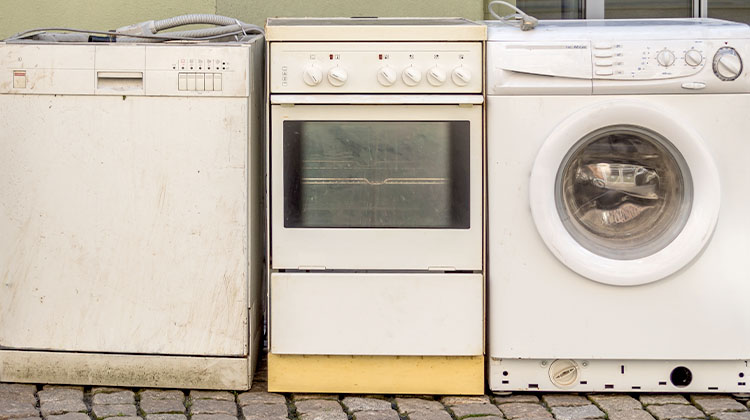
In the world of junk removal, "appliances" generally refer to large household machines (major appliances or "white goods") like refrigerators, freezers, ovens, washing machines, and dryers. It also includes smaller items like microwaves, toaster ovens, and vacuum cleaners. Because these items are made of complex materials—including metals, plastics, and sometimes hazardous chemicals—they require specialized handling.
What to do with old appliances
To help you dispose of your old appliances, we’ve gathered the best methods to clear your space while staying environmentally conscious. Here are seven effective ways to manage your old appliance removal.
Donate or sell if the appliance still works
If your machine is clean and in good working order, appliance donation is a fantastic way to give back. Most charities require that the item be no more than 5–10 years old and fully functional.
- How the method works: You clean the unit and ensure it is fully functional. You then coordinate with a charity that accepts large household goods. Some may offer a pickup, while others require you to drop it off.
- Where to donate appliances: Look for organizations like Habitat for Humanity ReStore, The Salvation Army, or local community shelters.
- Who this option is ideal for: People who want to help others, have a working unit, and don't mind waiting for a scheduled donation pick-up window.
Retailer or manufacturer trade-in and pickup
Many big-box retailers offer an appliance haul-away service when you purchase a new unit.
- How the method works: At the time of purchase, you opt in for a "haul away" service. When the delivery team arrives with your new appliance, they disconnect and take the old one.
- Where readers can do it: This is available through major retailers like Home Depot, Lowe's, or Best Buy, as well as some direct manufacturer programs.
- Who this option is ideal for: Homeowners who want an easy, simultaneous swap and don't want to store an old unit while waiting for a separate pickup.
Check utility company recycling programs
Some local energy providers offer an appliance recycling program to encourage the removal of energy-inefficient models.
- How the method works: You contact your local electric company to see if they offer rebates for recycling old, inefficient fridges or freezers. They often pick up the unit for free and send you a check for $25–$50.
- Where readers can do it: Check your monthly utility bill or the "Energy Star" website to find participating providers in your area.
- Who this option is ideal for: Those looking for a small financial incentive to get rid of a secondary "garage fridge" or older, power-hungry unit.
Call your local waste facility for bulky item pickup
Most municipalities offer a scheduled appliance pick up for large items that don't fit in standard bins.
- How the method works: You call your city's waste management department to schedule a "bulky item" day. You typically have to move the item to the curb yourself and may need to pay a small fee for a special tag.
- Where readers can do it: Contact your local city hall or public works department to find your specific appliance drop-off or curbside rules.
- Who this option is ideal for: People on a budget who are physically able to move a heavy appliance to the curb.
Recycle through a local recycling program
Recycling appliances is vital because they contain valuable scrap metal and, in some cases, harmful chemicals.
- How the method works: You take the item to a specialized e-waste or scrap metal facility where it is shredded and sorted into raw materials (steel, copper, aluminum).
- Where readers can do it: Search for "certified electronics recyclers" or "scrap metal yards" in your neighborhood.
- Who this option is ideal for: Environmentally-conscious individuals who have a vehicle (like a truck) capable of transporting heavy metal items.
Scrap metal recycling
If you have a truck and a way to load it, you can take your items to a scrap yard.
- How the method works: You haul your old appliance to a local scrap yard. They weigh the unit and pay you based on the current market price for the specific metals found inside.
- Where readers can do it: Local industrial zones usually feature scrap metal buyers or "junk yards."
- Who this option is ideal for: DIYers with a trailer who are looking to make a few extra dollars from their used appliance.
Hire our professional junk removal service
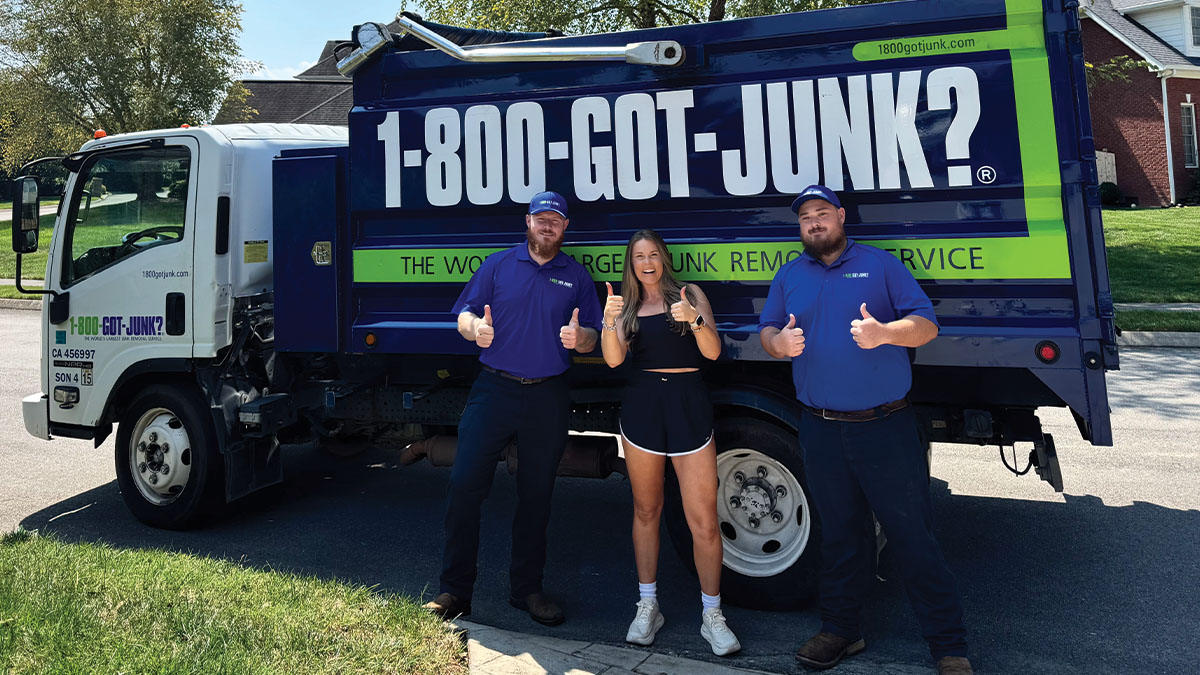
One of the easiest ways to get rid of used appliances is to hire a professional appliance removal service like 1-800-GOT-JUNK?. Instead of worrying about heavy lifting, transportation, or proper disposal, you can have trained professionals handle the entire process for you. We remove and recycle all kinds of appliances, including refrigerators, stoves, washers, and more.
- How it works: Simply book an appointment online or by phone. A friendly, uniformed 1-800-GOT-JUNK? team arrives at your home, gives you an upfront price, and—once approved—removes the appliance from wherever it’s located.
- Where you can use this option: We operate in most major cities across the U.S., Canada, and Australia, making it a convenient option for any property type.
- Who this option is best for: This method is ideal for those who want a fast, hands-off solution, especially for broken appliance pick up or heavy items in tight spaces.
Why you can’t throw appliances in the trash
Can you throw appliances in the trash? The short answer is no. Most local laws prohibit putting "white goods" (large appliances) in the regular garbage or leaving them on the curb without an appointment. Old appliance disposal is strictly regulated for several important reasons:
- Hazardous Materials: Older refrigerants must be properly disposed of because they contain CFCs or HCFCs that damage the ozone layer.
- Space: Appliances take up massive amounts of space in landfills and do not decompose.
- Sustainability: Over 75% of a typical appliance is made of steel, which is 100% recyclable.
- Legal Compliance: Many states and provinces have passed laws (consistent with EPA guidelines) that require specialized appliance recycling pickup to prevent toxic leaks from oils and PCBs.
We make junk disappear
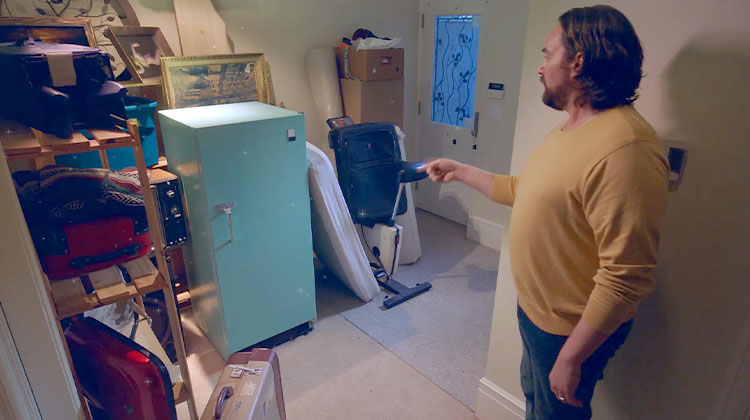
Getting rid of old appliances doesn't have to be a headache. Whether you're struggling with a heavy chest freezer in the basement or a broken dishwasher in a high-rise condo, you don’t have to do it alone. At 1-800-GOT-JUNK?, we are happy to help with all your appliance removals. We provide a junk appliance pickup service that prioritizes your schedule and the planet.
All you have to do is point, and our team will whisk those old units away. We pride ourselves on being your local appliance haulers who recycle the recyclables and donate the donatables. You can easily access pricing for junk removal on our website before you book.
Ready to reclaim your space? Contact 1-800-GOT-JUNK? by calling our 24-hour customer service number at 1-800-468-5865 or scheduling a junk pickup online.
Frequently asked questions
Who picks up old appliances?
Professional junk removal companies like 1-800-GOT-JUNK?, local municipal waste departments (via bulky item programs), and certain charities (like Habitat for Humanity) all offer old appliance pick up services.
Where to take broken appliances?
It depends on your location, but typical options include local scrap yards, municipal recycling centers, or specialized appliance recycling pickup services that handle non-working units for parts and metal.
Who offers same-day appliance removal?
1-800-GOT-JUNK? often has the capacity to offer same-day appliance pickup and disposal. Because we're in your neighborhood, we can often arrive within hours of your call to remove old appliances.
How to get rid of old restaurant equipment?
You should contact a specialized commercial junk removal service. Large-scale kitchen units like industrial fryers and walk-in coolers require professional appliance haulers with the right equipment for heavy-duty appliance recycling pickup.
Similar articles
Top 5 reasons storage units aren’t worth it
Think storage units are a lifesaver? They might actually be an expensive trap. While they seem like a quick fix for clutter, these temporary spaces often turn into long-term financial sinkholes for items you’ll never use again. From hidden monthly costs to the lingering mental load, discover five eye-opening reasons why renting a storage unit isn’t worth it.